
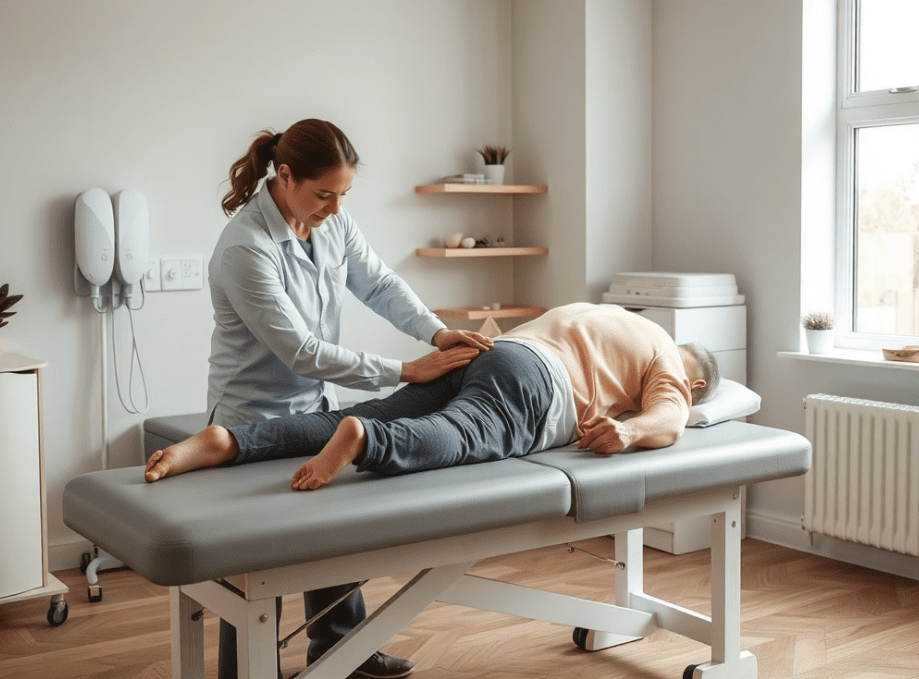
Sciatica can be one of the most frustrating and debilitating types of pain, often described as a sharp, burning or shooting sensation that travels from the lower back down the leg. While many people try to push through the discomfort, effective treatment requires a targeted approach that addresses both the symptoms and the underlying cause. This is where osteopathy comes in. If you’re comparing treatment options or looking for an osteopath near Eltham, understanding the techniques osteopaths use for sciatica can help you make an informed decision.
Table of Contents
What Causes Sciatica?
Sciatica isn’t a condition in itself—it’s a symptom of irritation or compression of the sciatic nerve. Common causes include:
- Herniated or bulging discs
- Piriformis syndrome
- Spinal stenosis
- Poor posture or prolonged sitting
- Muscular imbalance
- Pregnancy-related changes
Because the causes vary, a tailored treatment plan is essential. Osteopathy focuses on identifying the root issue rather than just treating the pain.
How Osteopathy Helps Sciatica
Osteopathy takes a whole-body approach, recognising that pain in one area often stems from dysfunction elsewhere. For sciatica, the goal is to reduce nerve compression, improve mobility and support long-term healing. Some of the most effective osteopathic techniques for sciatica include:
Soft Tissue Manipulation
Osteopaths often begin by gently releasing tension in tightened muscles such as the glutes, lower back and hamstrings. Soft tissue work helps:
- Reduce muscle spasms
- Improve blood flow
- Allow the spine and pelvis to move more freely
This can significantly reduce pressure on the sciatic nerve.
Joint Mobilisation
Restricted joints in the lumbar spine or pelvis can create mechanical stress that contributes to sciatic pain. Mobilisation techniques involve slow, controlled movements that:
- Increase joint range of motion
- Improve spinal alignment
- Reduce inflammation and discomfort
It’s a gentle approach suited to people who cannot tolerate more forceful manipulation.
Spinal Manipulation (Adjustments)
For some patients, targeted spinal adjustments can provide rapid relief. These techniques help:
- Restore normal joint movement
- Reduce irritation around the nerve
- Improve nerve signalling
Osteopaths always assess suitability first, ensuring adjustments are performed safely and only when appropriate.
Muscle Energy Techniques (MET)
MET is a favourite for sciatica caused by muscular imbalance or pelvic dysfunction. The patient gently contracts their muscles against resistance while the osteopath guides the movement. Benefits include:
- Lengthening shortened muscles
- Strengthening weaker muscles
- Improving overall biomechanics
This leads to better symmetry and reduced strain on the lower back and hips.
Myofascial Release
Because fascia—the connective tissue that surrounds muscles—can tighten and restrict movement, myofascial release helps soften and lengthen these tissues. This reduces tension along the sciatic nerve pathway and improves mobility.
Postural and Ergonomic Advice
Sciatica often returns if day-to-day habits aren’t addressed. Osteopaths look at:
- Workplace setup
- Standing and sitting posture
- Sleeping positions
- Movement patterns
Correcting these factors can make the biggest difference to long-term outcomes.
Targeted Strengthening and Mobility Exercises
Osteopathy doesn’t end in the treatment room. Your osteopath will often prescribe personalised exercises that focus on:
- Core stability
- Hip mobility
- Glute strength
- Lower back support
These exercises help prevent recurrence and support ongoing recovery.
When to See an Osteopath for Sciatica
Consider booking an appointment if you experience:
- Pain radiating from your lower back into your leg
- Numbness, tingling or weakness
- Pain that worsens when sitting, coughing or bending
- Difficulty moving due to lower back or hip discomfort
Early intervention often leads to faster recovery and lowers the risk of chronic pain.
Sciatica can be incredibly disruptive, but the right treatment approach can restore mobility, reduce pain and improve your quality of life
Osteopathy offers a comprehensive, whole-body solution tailored to the underlying cause of your discomfort. If you’re looking for a more natural, hands-on treatment pathway, scheduling an appointment with an osteopath can be an effective place to start.
If you want to know about Understanding Short-Term Disability in Canada: Your Guide to Temporary Income Support then visit our Health category.