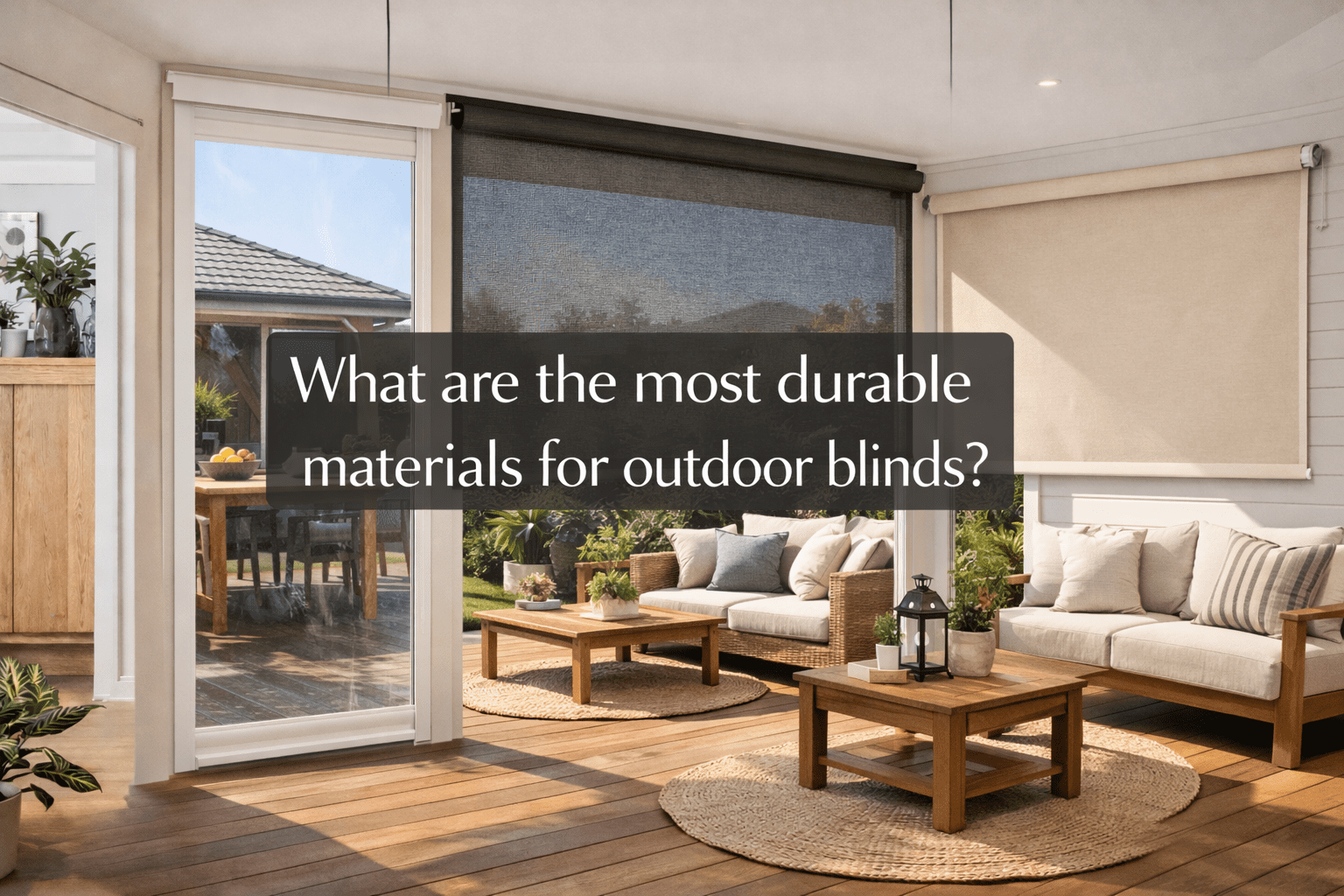
You step outside on a bright afternoon, hoping to relax, but the heat and glare quickly take over. That is when the value of well-made Outdoor blinds becomes clear. They are not just an addition to your space, they shape how comfortable and usable it feels throughout the year.
In Australia’s changing conditions, from intense sun to sudden rain, the material you choose plays a big role in how well your blinds perform. Some are built for strength and protection, while others focus on airflow and light control. Understanding these differences makes it easier to choose a solution that lasts and suits your space.
Table of Contents
Why Material Choice Matters For Durability
The material you choose plays a major role in how well your blinds perform over time. High-quality materials are designed to resist fading, withstand moisture, and handle regular exposure to the elements without deteriorating quickly.
Key factors that influence durability include UV resistance, water resistance, and the ability to cope with wind. Materials that are resistant to mould and mildew are also important, especially in humid or coastal areas. A well-chosen material not only lasts longer but also reduces the need for frequent cleaning or repairs.
Most Durable Materials Used In Outdoor Blinds
PVC (Polyvinyl Chloride)
PVC is one of the most durable materials available for outdoor use. It is a clear or tinted plastic that provides strong protection against wind and rain while still allowing visibility.
One of its biggest advantages is its waterproof nature. PVC blinds can handle heavy rain without absorbing moisture, making them ideal for areas that need full weather protection. They are also resistant to mould and easy to clean, which adds to their longevity.
However, PVC can feel less breathable compared to fabric options. In extremely hot conditions, it may also retain heat, which can affect comfort. Despite this, it remains a top choice for enclosed patios and spaces that need year-round protection.
Mesh Fabrics (PVC-Coated Polyester)
Mesh fabrics are a popular choice for homeowners who want a balance between durability and comfort. These materials are made from woven polyester coated with PVC, creating a strong yet breathable structure.
The key benefit of mesh is airflow. It allows wind to pass through, reducing pressure on the blinds during gusty conditions. This makes it a durable option in windy areas. Mesh fabrics also block a significant amount of UV rays, helping to keep outdoor areas cooler while reducing glare.
On the downside, mesh does not provide complete protection from heavy rain. It is better suited for covered areas where airflow and light control are more important than full enclosure.
Acrylic Canvas
Acrylic canvas is known for its premium look and long-lasting performance. It is specifically designed to handle intense sun exposure, making it ideal for Australian conditions.
This material offers excellent UV resistance and maintains its colour over time without fading. It is also resistant to moisture and mildew, which adds to its durability. Acrylic canvas provides strong shade and helps keep outdoor areas comfortable during hot days.
One limitation is that it does not offer visibility through the fabric. It is more focused on blocking light and heat rather than maintaining a view. Even so, it is a reliable option for long-term use in sunny environments.
Traditional Canvas
Traditional canvas is a heavier material that provides maximum shade and privacy. It has been used for years in outdoor applications due to its strength and durability.
This material is highly effective at blocking sunlight, making it a good choice for areas that receive direct sun for long periods. It also offers a solid barrier against wind and light rain.
However, canvas requires more maintenance compared to synthetic materials. It can absorb moisture if not treated properly, which may lead to mould over time. Regular care is essential to maintain its durability and appearance.
Comparing Durability Across Materials
Each material has its own strengths, and the right choice depends on how and where the blinds will be used. PVC stands out for its ability to handle harsh weather, while mesh fabrics offer better airflow and flexibility in windy conditions.
Acrylic and canvas materials excel in sun protection and colour retention. They are ideal for creating comfortable shaded areas but may require slightly more upkeep.
When considering the best outdoor blinds, it is important to look beyond a single feature. Durability comes from a combination of weather resistance, ease of maintenance, and how well the material suits your specific environment.
How Different Environments Affect Material Choice
Coastal Areas
In coastal locations, blinds are exposed to salt, moisture, and strong winds. Materials like PVC and acrylic perform well in these conditions due to their resistance to corrosion and moisture damage.
Hot And Sunny Locations
For areas with intense sunlight, UV resistance becomes a priority. Mesh and acrylic fabrics are excellent choices as they reduce heat and glare while maintaining their structure over time.
Windy Areas
Wind can place significant stress on outdoor blinds. Mesh fabrics are often the most durable option in these environments because they allow air to pass through, reducing strain on the system.
Choosing The Right Material For Your Setup
For Patios And Entertaining Areas
Patios often require a balance between protection and comfort. Materials that allow airflow while still offering shade work best in these spaces. This is where outdoor roller blinds are commonly used, as they can be adjusted easily to suit changing conditions.
For Balconies
Balconies typically need more privacy along with weather protection. Outdoor balcony blinds made from PVC or acrylic materials can help create a more enclosed and comfortable space.
For Local Climate Conditions
When selecting materials, it is important to consider local weather patterns. For example, outdoor blinds sydney need to handle strong sun, occasional storms, and coastal conditions. Choosing UV-stabilised and weather-resistant materials ensures better long-term performance.
Maintenance And Longevity Tips
Proper maintenance plays a key role in extending the life of outdoor blinds. Regular cleaning helps remove dirt, salt, and debris that can wear down materials over time.
It is also important to keep blinds dry when possible to prevent mould growth. Using high-quality, UV-stabilised materials from the start can make a noticeable difference in how well the blinds hold up over the years.
Simple steps like retracting blinds during extreme weather and ensuring correct installation can also reduce unnecessary strain and damage.
Conclusion
Choosing the right material is essential for getting the most out of your outdoor blinds. Durable options like PVC, mesh, acrylic, and canvas each offer unique benefits depending on your needs and environment.
The key is to match the material to your space. Whether you need full weather protection, better airflow, or strong sun resistance, selecting the right option will ensure long-lasting performance and comfort. Consulting an experienced outdoor blinds specialist can also help you select a solution tailored to your space and conditions.
By understanding how each material works, you can make a confident decision that adds both function and value to your outdoor area.
Apart from that, if you are interested to know more about How to Add Privacy to Your Outdoor Living Space then visit our Home Improvement category.