
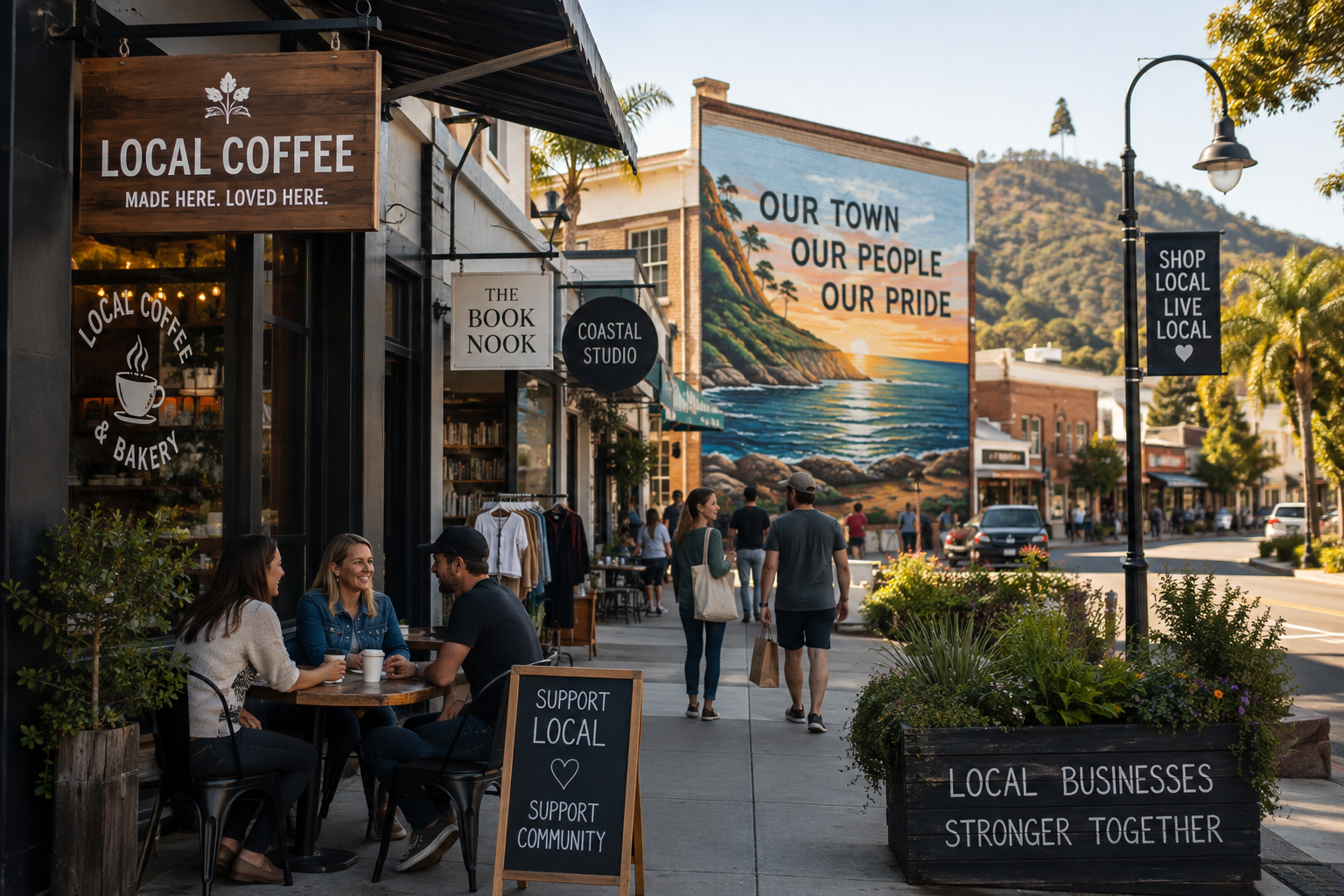
Every town, suburb, and city has businesses that seem to become part of the scenery in the best possible way. They’re the names people mention without thinking, the places visitors are told to check out, and the brands locals feel an odd little sense of ownership over even if they’ve never had anything to do with running them. Over time, some businesses stop feeling like businesses at all and start feeling like part of the region’s personality.
You can see this across Australia, particularly in places where lifestyle and local culture are closely linked. The Gold Coast, for example, has produced plenty of recognizable names across fashion, food, hospitality, design, and other creative industries. Businesses like Balter Brewing Co. are often spoken about in the same breath as the broader local culture they emerged from. The interesting part isn’t necessarily what these companies sell. It’s how a business becomes so closely associated with a place that the two start reinforcing each other.
Table of Contents
Local Character Can’t Be Manufactured Overnight
One of the biggest differences between a memorable local business and a forgettable one is usually a sense of place. Businesses that feel genuinely connected to their surroundings tend to understand the people around them. Their branding, customer experience, language and even the way they present themselves often reflect the character of the area. A laid-back coastal business might communicate very differently from a long-established company in a country town, and that difference matters.
Customers can generally tell when a business is trying too hard to manufacture a personality. Local identity tends to develop more naturally. It comes from years of interacting with the same community, participating in local events, employing people from nearby and gradually becoming familiar to several generations of customers. That familiarity can be incredibly valuable. A new competitor may offer something similar, but it can’t instantly recreate years of local recognition and goodwill.
Word of Mouth Still Carries Serious Weight
Digital marketing has changed how businesses reach customers, but old-fashioned recommendations remain powerful. In fact, they can be even more influential for local businesses because people naturally trust suggestions from friends, colleagues and family members. Someone might ask where to buy a particular product, who to call for a service or which local business is worth visiting. When the same name keeps coming up, that reputation compounds.
This is often how local institutions are created. There isn’t necessarily one huge marketing campaign that suddenly makes everyone aware of the business. Instead, thousands of small interactions build the reputation over time. A good customer experience leads to a recommendation, that recommendation leads to another customer, and that customer mentions the business to someone else. Eventually, the name becomes familiar even to people who haven’t personally used it.
The Best Local Brands Evolve Without Losing Themselves
Longevity doesn’t mean refusing to change. Quite the opposite. Businesses that remain relevant for years usually adapt constantly as customer expectations shift, new competitors appear, technology changes how people discover businesses and make purchases, and entire neighbourhoods transform as populations grow and demographics change. The challenge is evolving without losing the qualities people liked in the first place.
A long-running café might renovate while keeping its relaxed atmosphere. A family business may launch online ordering without changing the personal customer service it’s known for. A local brand might expand nationally while continuing to reference the community where it began. That balance between familiarity and progress is difficult, but when businesses get it right, customers often remain surprisingly loyal.
Community Involvement Makes a Difference
Businesses also become woven into a region through what they contribute beyond ordinary transactions. That might involve sponsoring sporting clubs, supporting charities, collaborating with nearby businesses, participating in festivals or providing employment opportunities for local people. These contributions may seem small individually, but collectively they create visibility and connection.
People remember the businesses they regularly encounter within their community, and this doesn’t require grand gestures. Even simple things such as knowing regular customers by name, recommending another nearby business or supporting a local fundraiser can strengthen the sense that a company belongs where it operates.
A Region’s Identity Is Built by People and Places
When we think about what gives a location its character, we usually picture beaches, parks, architecture, landmarks or scenery. Businesses deserve a place on that list too. The independent shops, established family companies, creative brands and familiar venues people interact with every week all help shape how a region feels. Some disappear quickly, while others become reference points that locals use when describing where they live.
That kind of status can’t really be bought. It develops through consistency, reputation, personality and years of showing up for the people around you. When a business reaches that point, it becomes more than somewhere people spend money. It becomes one of those familiar names that helps a place feel like itself.