Last Updated on October 6, 2026 by
Botox has gained immense popularity as a noninvasive cosmetic treatment, widely sought after for its ability to smooth fine lines, reduce wrinkles, and rejuvenate the face without the need for surgery.
This injectable solution, derived from botulinum toxin type A, works by temporarily paralyzing facial muscles, offering individuals a refreshed, youthful appearance. Its popularity continues to rise, driven by its relatively quick procedure time, minimal recovery, and stunning results.
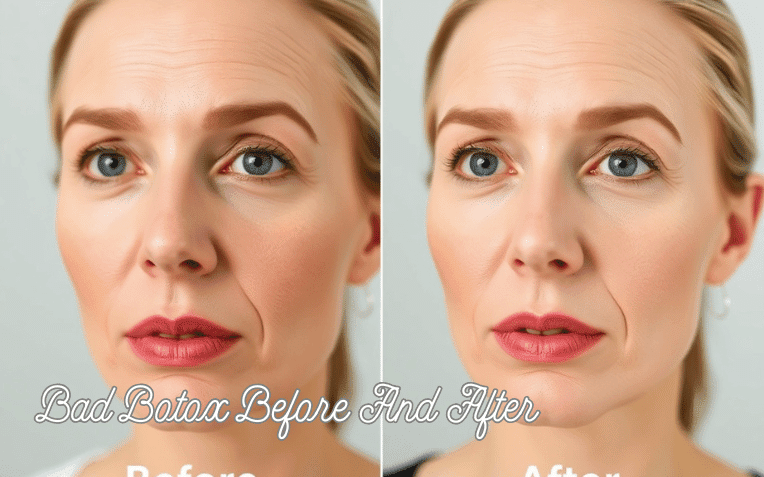
In this article, we will dive deeper into the common causes of Bad Botox Before and after outcomes, explain the potential damage that can occur, and outline the recovery options available to those affected.
| Category | Overview |
| Topic Focus | Bad Botox Before and After outcomes, causes, facial damage, and recovery solutions |
| Purpose of Botox | Reduce wrinkles, smooth fine lines, lift brows, and rejuvenate the face |
| Common Mistakes | Incorrect injection placement, excessive dosing, inexperienced practitioners, and ignoring patient history |
| Visible Before and After Signs | Frozen forehead, facial asymmetry, drooping eyelids or mouth corners, swelling, uneven texture |
| Facial Damage Risks | Muscle weakness, nerve irritation, skin discoloration, persistent asymmetry |
| Psychological Effects | Anxiety, embarrassment, reduced self-confidence, and reluctance toward future treatments |
| Recovery Options | Waiting for Botox to wear off, corrective injections, enzymes, facial exercises, and specialist consultation |
| Recovery Timeline | Typically, 3 to 6 months, depending on dosage and individual response |
| Prevention Tips | Choose certified providers, review before and after photos, and start with conservative doses |
| When to Seek Help | Severe swelling, breathing issues, vision problems, prolonged pain, or bruising |
| Key Takeaway | Proper technique and qualified practitioners are essential to avoid Bad Botox Before and after results |
Table of Contents
Bad Botox Before and After


Botox has become a go-to solution for many seeking a youthful, refreshed appearance without the need for surgery. While the procedure is generally safe and effective, not all Botox experiences result in flawless outcomes.
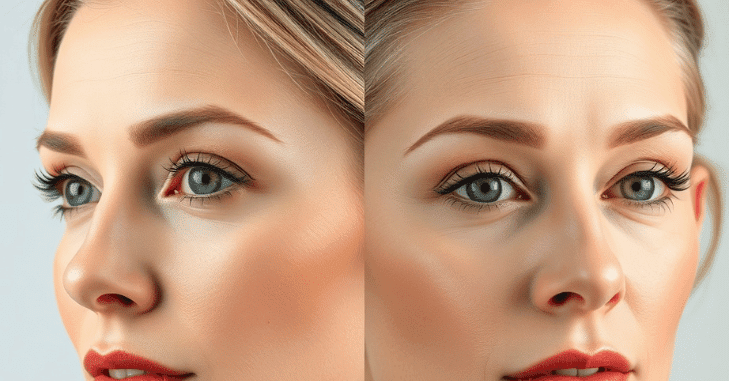
Bad Botox before and after scenarios can sometimes lead to undesirable results, including facial asymmetry, unnatural expressions, and other complications. When Botox is administered improperly, it can have a significant impact not only on appearance but also on emotional well-being.
Understanding Botox and Its Purpose
Botox, short for botulinum toxin type A, is a neurotoxic protein that temporarily paralyzes muscles. It is commonly used in cosmetic treatments to:
- Reduce fine lines and wrinkles on the forehead, around the eyes, and near the mouth
- Lift eyebrows for a more youthful appearance
- Smooth crow’s feet and frown lines
- Manage medical conditions like excessive sweating and migraines
While Botox is generally safe when administered by a qualified professional, poor technique or overuse can cause undesirable results, resulting in what is commonly referred to as bad Botox.
Common Botox Mistakes and Causes
Incorrect Injection Placement
Proper placement of Botox is crucial to achieve symmetrical and natural results. Misplacement can cause facial asymmetry, including drooping eyebrows or uneven brow height.
Lopsided smiles or misaligned lips are other common outcomes of incorrect injection placement. Uneven forehead wrinkles can also occur if the Botox is not administered strategically, leading to an unnatural or inconsistent look.
Inexperienced Practitioners
Choosing an inexperienced or unqualified practitioner significantly increases the risk of Botox complications. Poor understanding of facial anatomy can result in overcorrection or undercorrection of wrinkles, producing uneven results.
Ignoring Patient History
Failing to consider a patient’s medical history, previous cosmetic procedures, or allergies can lead to serious complications. Adverse reactions may occur if underlying conditions are overlooked.
Prolonged swelling or bruising can result from improper assessment of patient factors. Ignoring these details can also contribute to inadequate or unsatisfactory results, highlighting the importance of thorough consultation before any Botox procedure. More from us: How Oral Aciclovir Stops Cold Sores Before They Start.
Bad Botox Before and After, What to Expect
When Botox is administered incorrectly, patients may notice dramatic differences in before and after appearances. Some common signs include:
- Frozen Forehead: Loss of natural forehead movement
- Asymmetrical Eyes: Uneven eyelid height or sagging brows
- Drooping Mouth Corners: Affecting facial expressions and speech
- Swelling and Redness: Bruising at injection sites
- Lumpy or Uneven Skin Texture: Visible bumps or irregularities under the skin
Facial Damage from Botox Mistakes
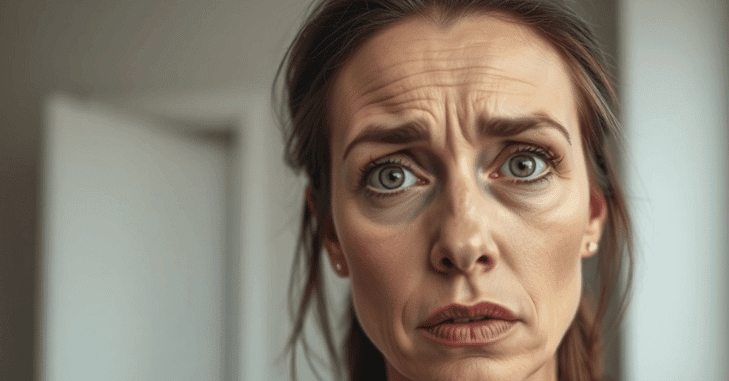
Although most Botox complications are temporary, severe mistakes can lead to lasting issues if not addressed:
- Muscle Weakness: Weakness in treated areas can affect normal facial movements
- Nerve Damage: Rare but possible if injections are placed incorrectly
- Skin Discoloration: Bruising or pigmentation changes in injection sites
- Persistent Asymmetry: Uneven results that may require corrective treatment
Psychological Impact of Bad Botox
The psychological impact of bad Botox can be just as significant as the physical effects, especially when patients compare their Bad Botox before and after results and feel dissatisfied or distressed.
Visible mistakes can trigger anxiety about appearance, leading individuals to become overly focused on facial flaws or changes. Many patients also experience embarrassment or self-consciousness in social or professional settings, particularly if the results appear unnatural or obvious.
In some cases, a negative Bad Botox Before and After experience can create a lasting reluctance to seek further cosmetic treatments, even when corrective options are available, ultimately affecting confidence and overall emotional well-being.
Recovery Options and Solutions
If you experience unsatisfactory or uneven results, several recovery and correction options are available
Wait for Botox to Wear Off
- Botox effects typically last 3 to 6 months
- Facial muscles gradually regain natural movement over time
- Avoid additional injections until the effects fully subside
Use of Antidotes or Enzymes
- Certain medical treatments may help break down excess Botox
- These procedures must be performed by certified medical professionals
- Often used in more severe or uncomfortable cases
Targeted Corrective Injections
- Small, precise doses of Botox or dermal fillers can correct asymmetry
- Helps rebalance facial features and restore natural expressions
- Requires expert knowledge of facial anatomy

Physical Therapy and Facial Exercises
- Gentle facial movements may assist in regaining muscle control
- Improves circulation and supports even healing
- Often recommended alongside professional treatment
Consulting a Specialist
- Seek guidance from board-certified dermatologists or cosmetic surgeons
- Specialists can assess damage and create a personalized correction plan
- Early consultation improves recovery outcomes.
Preventing Bad Botox: Tips for Safe Injections
Ensuring a positive Botox experience involves careful planning and preparation:
- Choose Certified Practitioners: Verify qualifications and experience
- Review Before and After Photos: Assess their work quality and consistency
- Discuss Expectations: Be clear about desired outcomes
- Start Conservatively: Begin with small doses to assess response
- Follow Pre- and Post-Care Instructions: Avoid strenuous activity, alcohol, and excessive touching of treated areas
When to Seek Immediate Medical Attention?
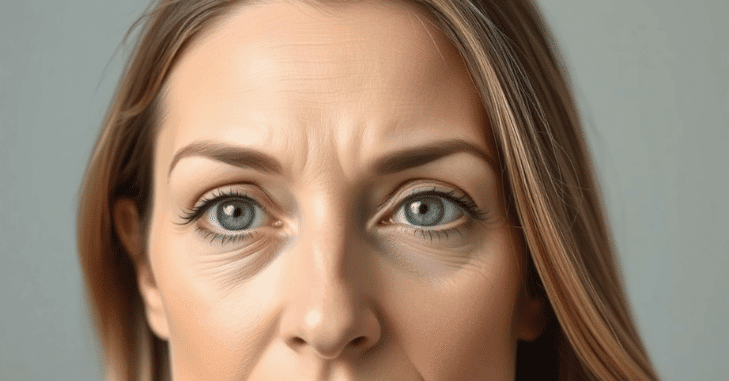
Although rare, some Botox side effects require urgent attention:
- Severe swelling or difficulty breathing
- Vision changes or drooping eyelids lasting longer than expected
- Intense pain or prolonged bruising
Immediate consultation with a healthcare provider is crucial to prevent permanent damage.
Conclusion
Bad Botox before-and-after experiences highlight the importance of proper technique, professional expertise, and personalized treatment planning in cosmetic procedures. While poor results can be distressing both physically and emotionally, most Botox mistakes are temporary and can be improved with time, expert intervention, and corrective care.
By understanding the causes, recognizing early signs, and exploring appropriate recovery options, individuals can make informed decisions and restore confidence in their appearance.
Ultimately, choosing qualified practitioners and prioritizing safety ensures better outcomes and helps prevent negative Bad Botox Before and After results in the future.
Additionally, if you wish to learn more about Laser Hair Removal Is Your Best Option For Ideal Results, please visit our Health category.
FAQs
Drooping eyes, inconsistent outcomes, severe bruises, or swelling that lasts longer than anticipated.
The full fading of Botox benefits may take three to six months.
In a technical sense, Botox cannot be reversed. Once it takes effect, you must wait for it to wear off or, if feasible, enhance the outcomes.
The advice to stay upright and refrain from lying down for at least four hours following your Botox injection is known as the “four-hour rule.”