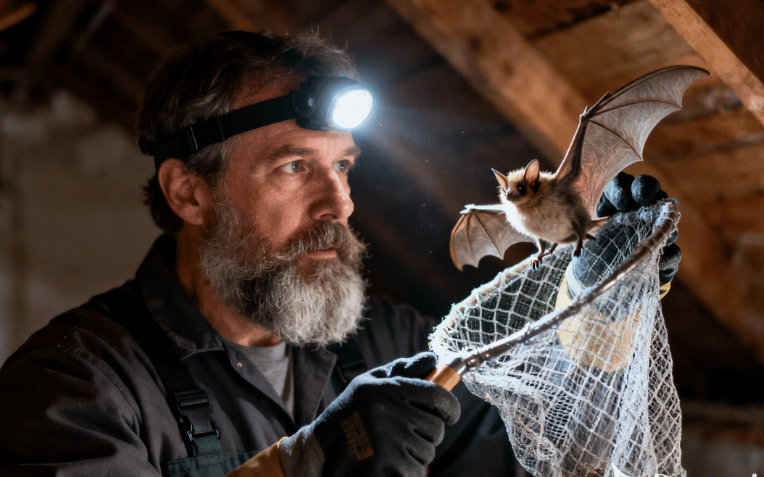
Bat removal cost can vary widely depending on several important factors, but homeowners should generally expect to pay anywhere from $300 to $8,000 or more for a complete and effective solution. The total cost is influenced by the size of the bat colony, the layout and height of the structure, the number of entry points, and how long the bats have been present.
Small infestations discovered early are usually less expensive to resolve, while long-term colonies often require extensive exclusion work, sanitation, and repairs. Professional bat removal typically includes a detailed inspection, installation of one-way exclusion devices, sealing of all potential access points, and follow-up monitoring to ensure bats do not return.
Additional expenses may arise if there is significant guano buildup, contaminated insulation, mold growth, or structural damage that must be repaired. Although professional bat removal may seem costly upfront, it is a long-term investment that protects the home from recurring infestations, health risks, and far more expensive restoration projects that can result from delaying proper treatment.
| Bat Removal Type / Service | Estimated Cost |
| Minor infestation (1–5 bats) | $300 – $900 |
| Moderate infestation (10–50 bats) | $1,000 – $3,500 |
| Large colony (50+ bats) | $4,000 – $8,000+ |
| Inspection & assessment | $75 – $300 |
| Bat exclusion devices | $200 – $1,500 |
| Entry point sealing | $300 – $2,000 |
| Attic cleanup & sanitation | $500 – $3,000 |
| Insulation replacement | $1,000 – $4,000 |
| Structural repairs | $500 – $3,500 |
Table of Contents
Average Bat Removal Cost


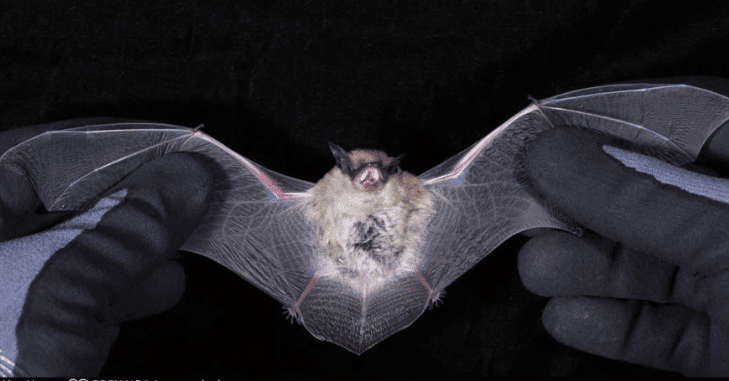
The average bat removal cost typically ranges from $300 to $8,000, with the final price largely determined by the severity of the infestation and the type of structure involved. Minor infestations involving only one to five bats usually fall on the lower end of the scale, often costing between $300 and $900, as they require fewer exclusion devices and minimal sealing work.
Moderate infestations, typically involving 10 to 50 bats, are more complex and may cost $1,000 to $3,500, since they often require multiple exclusion points, extended monitoring, and additional repair work. When a large colony of 50 or more bats is present, removal becomes significantly more labor-intensive, with costs ranging from $4,000 to $8,000 or more.
What Is Bat Removal?
Bat removal, often called bat exclusion, is the humane process of removing bats from a structure and preventing them from returning. Unlike rodents or insects, bats are protected wildlife in many regions, meaning extermination is illegal. Instead, professionals use one-way exclusion devices that allow bats to exit but not re-enter.
Bat removal typically includes:
- Inspection of the property
- Identification of entry points
- Installation of exclusion devices
- Sealing of access holes
- Cleanup and sanitation
Key Factors That Affect Bat Removal Cost

Several variables determine how much you will pay for bat removal. Understanding these factors helps homeowners avoid surprises and compare estimates accurately.
1. Size of the Bat Colony
The number of bats present is one of the biggest cost drivers. Larger colonies require:
- More exclusion devices
- Longer monitoring periods
- Extensive cleanup and repairs
A colony that has been present for years will also produce more guano, increasing sanitation costs.
2. Location of the Bats
Where bats are nesting significantly impacts pricing.
- Attics
- Chimneys
- Wall cavities
- Rooflines
- Eaves and soffits
Hard-to-reach locations increase labor time and equipment needs, raising overall costs.
3. Height and Accessibility of the Structure
Bat removal from a single-story home is far less expensive than removal from:
- Two- or three-story homes
- Churches or warehouses
- Buildings with steep or fragile roofing
Professional crews may need ladders, lifts, or scaffolding, adding hundreds or thousands of dollars to the bill.
4. Time of Year (Bat Maternity Season)
Bat removal costs can increase—or removal may be delayed—during maternity season, which usually runs from late spring through summer.
During this period:
- Baby bats (pups) cannot fly
- Exclusion may be illegal or unethical
- Companies may schedule removal later
Delays can extend infestation duration, leading to higher cleanup and repair costs later.
5. Number of Entry Points
Bats can squeeze through openings as small as ½ inch. Homes often have:
- Multiple entry points
- Hidden gaps under the roofing
- Cracks in siding
Each opening must be sealed to prevent re-infestation. More entry points mean higher labor and material costs.
Bat Removal Cost Breakdown
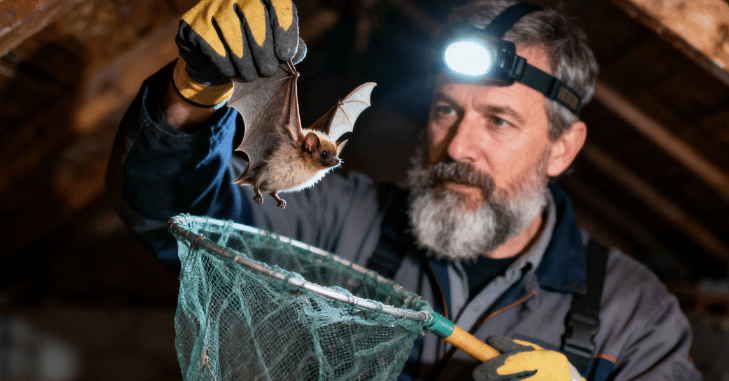
Here is a detailed breakdown of common bat removal services and their costs:
| Service | Estimated Cost |
| Inspection & assessment | $75 – $300 |
| Bat exclusion devices | $200 – $1,500 |
| Entry point sealing | $300 – $2,000 |
| Attic cleanup & sanitation | $500 – $3,000 |
| Insulation replacement | $1,000 – $4,000 |
| Structural repairs | $500 – $3,500 |
Residential vs. Commercial Bat Removal Cost
Residential Bat Removal
Homeowners usually pay between $300 and $6,000 for residential bat removal, with the final price largely influenced by the size of the home, architectural complexity, and the severity of the bat infestation. Smaller homes with limited attic space and a low number of bats typically fall on the lower end of the price range, especially when the infestation is detected early.
Commercial Bat Removal
Commercial bat removal is typically far more expensive than residential removal due to several complex factors that increase both labor and compliance requirements. One of the primary reasons for higher costs is building size, as commercial properties such as warehouses, office complexes, factories, churches, and schools often have vast rooflines, high ceilings, and multiple structural access points where bats can roost.
DIY Bat Removal vs. Professional Services
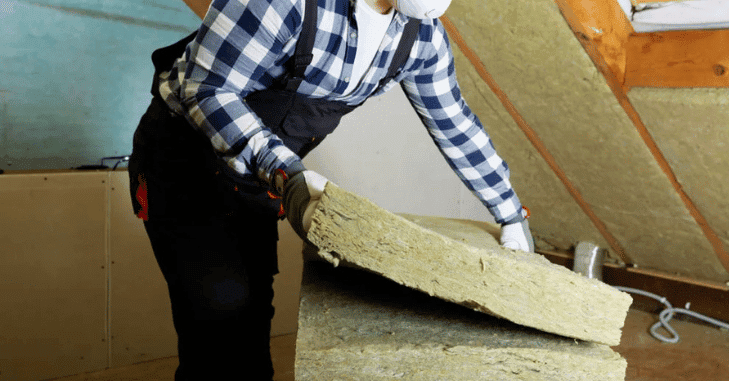
DIY Bat Removal Costs
It may appear cheaper upfront, but it often leads to:
- Illegal removal fines
- Re-infestation
- Health exposure
Professional Bat Removal Costs
Professional services cost more initially but offer:
- Legal compliance
- Guaranteed exclusion
- Health-safe cleanup
- Long-term prevention
Most professionals provide warranties lasting 1–5 years.
Is Bat Removal Covered by Homeowners Insurance?
In most cases, bat removal is not covered by homeowners’ insurance because wildlife infestations are typically classified as preventable maintenance issues rather than sudden or accidental damage. Insurance providers generally expect homeowners to maintain their property and address small openings or vulnerabilities that allow animals to enter.
As a result, the costs associated with bat exclusion, cleanup, and prevention are usually considered the homeowner’s responsibility. However, insurance may provide limited coverage in certain situations, particularly when bats cause direct structural damage to the home.
Regional Differences in Bat Removal Cost
Bat removal pricing varies by region due to:
- Bat species
- Local wildlife laws
- Labor rates
Estimated Regional Costs
- Rural areas: $300 – $2,500
- Urban areas: $1,000 – $6,000
- High-cost metro areas: $3,000 – $10,000+
Long-Term Costs of Ignoring a Bat Infestation
| Issue Caused by Delay | Potential Cost Impact |
| Structural wood rot | Costly repairs to beams, rafters, and framing |
| Electrical damage | Fire hazards and expensive rewiring |
| Mold growth | Professional mold remediation and air treatment |
| Insulation replacement | Removal and replacement of contaminated insulation |
| Health treatments | Medical costs from exposure-related illnesses |
How to Reduce Bat Removal Costs?
Homeowners can significantly reduce bat removal costs by acting early at the first signs of bat activity, such as scratching noises, droppings, or strong odors. Early intervention prevents small bat intrusions from developing into large colonies that require extensive exclusion and cleanup.
Scheduling bat removal outside of maternity season also helps lower costs, as removal during this period may be delayed or restricted, allowing the infestation to worsen and increasing overall expenses.
How to Choose a Bat Removal Company?

When hiring a professional, look for:
- Wildlife control certification
- Experience with bat exclusion
- Written warranties
- Detailed inspection reports
- Clear, itemized estimates
Avoid companies that offer extermination, as this is often illegal.
Conclusion
Bat removal cost depends on many interconnected factors, including the size of the infestation, property type, accessibility, timing, and the extent of cleanup and repairs required. While costs can range from a few hundred dollars for minor, early-stage infestations to several thousand dollars for large colonies and extensive damage, addressing the problem promptly is the most effective way to control expenses.
Professional bat removal is not just about eliminating bats; it ensures legal compliance, protects health, prevents structural deterioration, and stops costly re-infestations. Investing in proper inspection, humane exclusion, and long-term prevention ultimately saves homeowners and property managers from far greater restoration costs, making timely and professional bat removal a smart and necessary decision.
Want to know about When Are Ants The Most Active? Check out our Home Improvement category.
FAQs
Standard bat infestations usually cost between $250 and $650 to remove, while severe cases with big colonies can cost up to $8,500. Depending on the size of the property and the location of the bat, inspection services might cost anywhere from $75 to $400.
Using a product known as a one-way exit valve, which lets bats go but prevents them from coming back, is one method of getting rid of bats.
However, it takes caution and knowledge of bat behavior to remove a bat safely. Although bats are not usually hostile, touching them carelessly can be harmful because they can transmit rabies.
Due to their acute senses of smell, hearing, and sight, bats are extremely sensitive animals that are sensitive to particular aspects of their surroundings. Bats are known to be repulsed by strong scents like peppermint, eucalyptus, and mothballs, as well as by bright lights and high-frequency noises.
With over a million bat deaths annually and mortality rates that can reach 100% at some locations, WNS is the biggest threat to bats.