

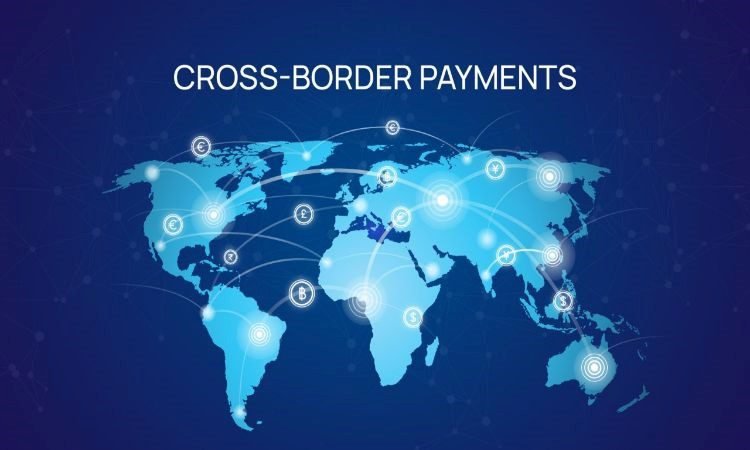
Teams that handle money across multiple countries face a lot of back-and-forth with banks and systems that don’t always communicate smoothly. APIs act as bridges that let applications pull payment details, check exchange rates, and push money without human intervention at every step. A cross-border payment network is built on these connections to transfer money from one location to another in a flash; the old ways rely on passing messages through chains that add delays and errors.
The major change becomes apparent when a store pays a supplier in another country, and the entire transaction completes in real time, with both sides watching live, rather than sending emails back and forth.
Recall how banks would exchange files manually or through slow links, and one mistake meant losing days, and now systems can directly fetch exchange rates, verify recipients, and record the transaction in a matter of seconds.
This process eliminates unnecessary intermediaries where charges are concealed, and durations are extended because each API call only retrieves the necessary data, like sender information or amount, then hands it over in a clean state to the next step.
How Code Talks Handles the Heavy Work
APIs in these networks start with simple calls that set up who sends what to whom, then fetch quotes based on live rates, so teams see costs upfront before anything moves. Picture a payroll run for workers in Europe from an office in Asia, where the system pulls IDs, verifies rules, and sends payment orders through a single set of links that connect to banks or digital ledgers, without extra hands. Folks overlook how that builds trust, since every step is logged and nobody knows if the funds are cleared.
Networks wrap compliance checks right into those calls, too, which flags odd patterns or missing papers before money leaves and keeps things legal across borders. A cross-border payment network platforms like Mesta use five main APIs for tasks from creating senders to tracking orders, which plug into apps quickly for vendor pays or staff salaries abroad. Data flows back as status updates or reports that teams pull to match books without digging into files.
Realistic talk shows limit, though, since not every bank hooks up yet, but growth comes from shared formats like JSON that let old spots join new paths step by step. Errors pop as clear codes too, so coders fix fast instead of blind waits, and that alone speeds repeats.
Tracking and Tweaks That Keep It Smooth
Senders check live where their cash sits because APIs ping ledgers for updates down to the minute, which beats old statements that land late. Take payouts to suppliers in a single call that grabs the rate, converts holds, settles, and reports back full details for records, all without page refreshes. People forget sometimes, but that open view cuts fraud since odd paths show right away, and teams act before loss hits.
Fees drop in these setups too because direct links skip some bank cuts, and real-time rates mean no surprises on what lands over time. Developers grab docs with code samples in languages they know, so integration wraps in days, not months, which matters for shops that scale fast. One network might cover 50 currencies across 100 spots, with calls that handle wallet quotes and orders in line.
Layers build on that base, where apps layer their own rules, such as batch sends or auto-retrieval, but the core APIs keep the payment flow steady.
Apart from that, if you want to know more about Coffee Break Branding: Keeping Your Business Top of Mind then visit our Business category.


