
Last Updated on June 29, 2026 by
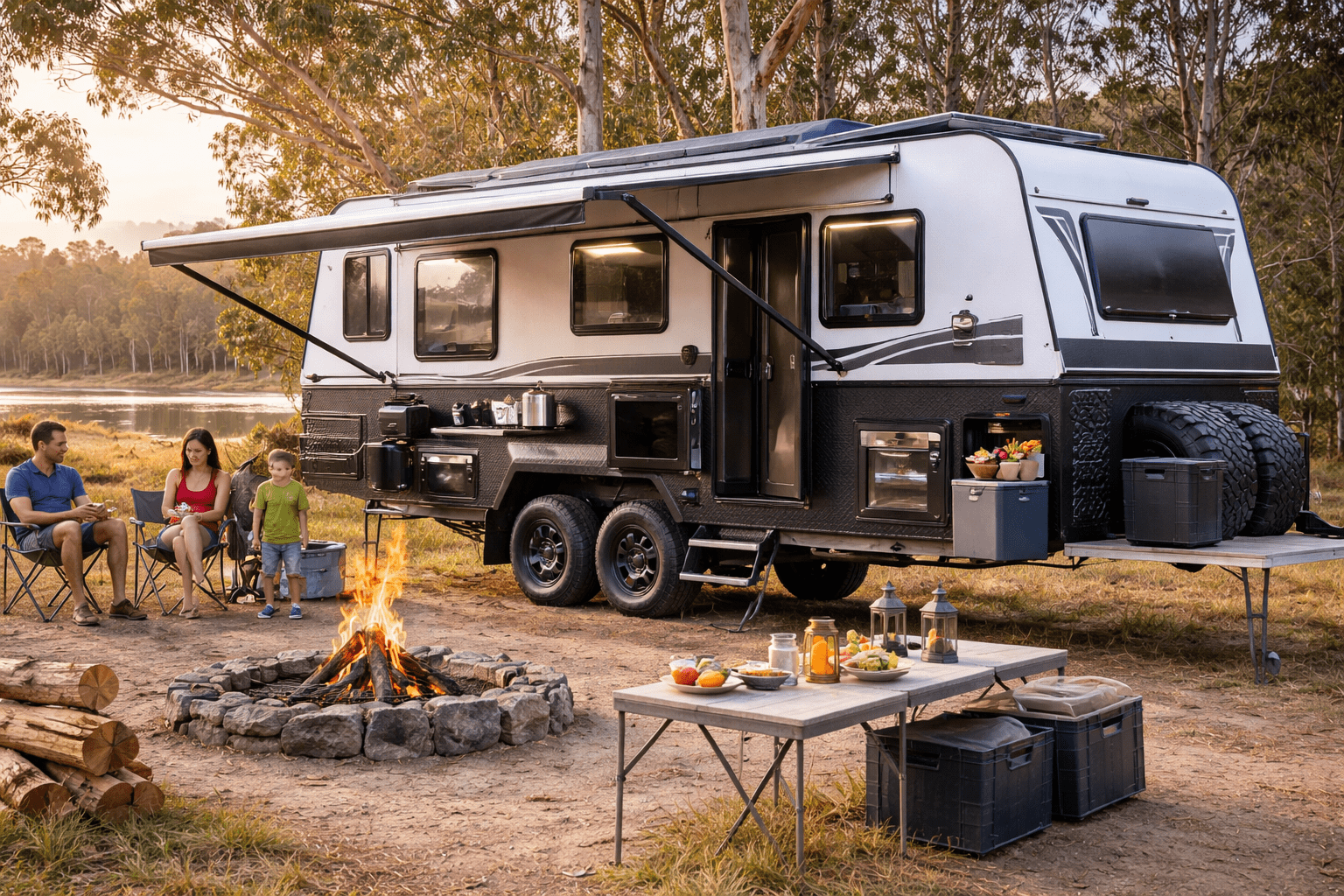
Buying a family off-road caravan is a major decision, especially when you want something that suits both your travel plans and your everyday practical needs. For many Australian families, it is not just about having a van that looks good in the yard. It needs to be comfortable, safe, easy to tow, and suitable for the kind of trips you actually want to take. Whether you are planning short holiday escapes or longer drives across different parts of the country, the right caravan can make a big difference to the overall experience. Before making a final decision, it is worth understanding what really matters so you can buy with confidence and avoid expensive mistakes later.
Table of Contents
Understand How Your Family Will Actually Travel
The first thing to think about is how your family will really use the caravan. A lot of buyers get excited by the idea of off-road travel, but not every family needs the same type of setup. Some mainly want weekend breaks and holiday park stays, while others are planning longer trips that include rougher roads and more remote areas.
It also helps to think about who will be travelling most often. A family with younger children may need a simple and practical layout, while a family with older kids may need more storage, more privacy, and more usable living space. Consider how often you will travel, how long your trips will be, and what kind of roads you are likely to cover.
The more honest you are about your actual travel habits, the easier it becomes to narrow your options and focus on caravans that truly suit your lifestyle.
Choose The Right Layout For Family Comfort
Layout plays a huge role in how comfortable a caravan feels once you are on the road. What seems spacious during a quick inspection may feel cramped once the whole family is inside for a few days.
For family travel, bunk beds are often one of the most useful features because they give children a dedicated place to sleep without needing to convert the dining area each night. The seating and dining space also matter. It should be functional enough for meals, games, quiet time, and those moments when everyone needs to be inside because of the weather.
Kitchen placement, bathroom access, and internal walking space all affect how easy the van is to live in. Storage is just as important. Families carry a lot more than they first expect, so practical cupboards, overhead lockers, under-bed storage, and external compartments can all make day-to-day travel much smoother.
Check Weight, Towing Capacity, And Vehicle Match
One of the biggest mistakes buyers make is choosing a caravan before checking if their vehicle can actually tow it properly. This is a key part of the buying process and should never be treated as an afterthought.
You need to understand the main figures, including tare weight, ATM, payload, and tow ball weight. These numbers tell you much more than the brochure ever will. A caravan may look fine when empty, but once you add water, food, clothes, bedding, bikes, and holiday gear, the weight can increase quickly.
This is why it is smart to look at the full picture before speaking with caravan dealers or comparing different models in detail. A well-matched caravan and tow vehicle combination will feel safer, more stable, and more enjoyable to travel with, especially when you are carrying the extra load that comes with family trips.
Look Closely At Off-Road Build Quality
Not every off-road caravan is built for the same conditions. Some are better suited to light gravel roads and general touring, while others are designed for tougher terrain and more demanding travel. That is why build quality deserves close attention.
Start with the structure underneath the van. Check the chassis strength, suspension setup, tyres, ground clearance, and protection for plumbing and water tanks. These are the features that help a caravan handle rougher surfaces with less risk of damage.
It is also worth looking beyond the marketing language. A van may be advertised as off-road, but that does not always mean it is suitable for the type of travel your family has in mind. Ask clear questions, inspect the construction carefully, and think about durability over the long term. A family van needs to do more than look capable. It needs to hold up well when used in real Australian conditions.
Think About Water, Power, And Storage Needs
When families travel, the demand for water, power, and storage is naturally higher. That is why these practical features should be given proper attention before you buy.
Water capacity matters if you want to stay away from major facilities for longer periods. Battery setup and solar support can also affect how independently you can travel. A fridge that suits a couple may not be enough for a family carrying several days of food and drinks.
Storage should also be assessed carefully. Clothes, shoes, towels, cooking items, outdoor gear, school holiday extras, and children’s belongings all need a place. A well-designed caravan uses its storage space wisely so the van feels organised rather than cluttered. That can make a big difference when you are travelling with kids and trying to keep daily life simple.
Compare Support Before You Commit
The caravan itself matters, but so does the support that comes with it. The buying process should feel clear, honest, and helpful from the start. This is especially important if you are new to caravanning or moving into a larger family setup for the first time.
Look at the variety of stock available, the after-sales support offered, and how willing the seller is to answer detailed questions. Warranty support, service guidance, and finance options can all influence the ownership experience long after the initial purchase.
A good seller should help you understand what is included, what is optional, and whether a specific van is a practical match for your family. Clear support before and after the sale can save time, money, and stress.
New Or Used: Which One Makes More Sense?
Both new and used caravans can be a good option, depending on your budget and priorities. A new caravan usually gives you updated features, warranty cover, and the confidence of starting fresh. It may also give you more choice if you want a specific layout or finish.
A used caravan, however, can offer strong value. It may allow you to step into a larger or better-equipped model without stretching the budget too far. That said, condition is everything. Buyers should inspect carefully for water leaks, tyre wear, suspension condition, service history, and general maintenance.
The right choice comes down to how much risk you are comfortable with, how soon you want to travel, and how much flexibility you have in your spending.
Consider Whether A Lighter Setup Could Work
For some families, a full-size off-road caravan may not be the only answer. Depending on your travel style, towing vehicle, and storage space at home, a lighter option may be worth considering as part of the decision-making process.
For example, some buyers who begin by looking at large caravans later realise that small camping trailers for sale may be better suited to shorter trips, easier towing, and simpler storage needs. Even if you still decide on a caravan, making that comparison can help you better understand what your family truly needs and what may be unnecessary.
Know Your Budget Beyond The Purchase Price
The sale price is only one part of the total cost of ownership. Many buyers forget to allow for registration, insurance, servicing, towing accessories, setup extras, and travel equipment. Fuel use can also become a bigger factor, especially with heavier family vans.
A caravan that seems cheaper at the start may end up costing more if it needs upgrades or repairs straight away. On the other hand, a better-built caravan with the right features may offer stronger value over time.
It is always wise to look at the full cost, not just the sticker price. A realistic budget helps you make a more informed choice and reduces the chance of unwanted surprises after purchase.
Conclusion
Buying a family off-road caravan in Australia is about finding the right fit for the way your family travels. Comfort, towing safety, layout, build quality, storage, and long-term cost all matter. When you take the time to compare your options carefully and focus on practical needs rather than impulse, you are far more likely to end up with a caravan that supports better holidays for years to come.
If you want, I can now turn this into a more polished final blog draft with a slightly stronger senior editorial tone while keeping the same word count and keyword placement.
Apart from that, if you want to know more about From Snorkeling to Ziplining: The Best Excursions for Families in the Caribbean then visit our Travel category.