
Last Updated on October 7, 2026 by Nadeem Ahmed
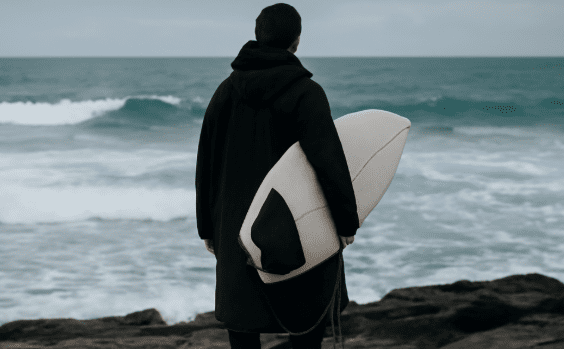
Every surfer needs a surf parka and hoodie because the coldest part of a session usually isn’t in the water. It’s the ten minutes before and after: standing in the wind checking the lineup, peeling off a wet wetsuit in a parking lot, and driving home damp. A surf parka is a windproof, water-resistant changing coat with a warm lining that you throw straight over a dripping wetsuit, while a surf hoodie is a lighter warm layer for surf checks, mild days and the ride home.
Together they cover nearly every condition you’ll meet on the beach, from a breezy summer dawn patrol to a sleet-flecked winter session. This guide explains why a towel and an old jacket aren’t enough, how parkas and hoodies differ, which one your local conditions call for, and how to buy, size and care for both so they last for years.
Table of Contents
Why Surfers Need More Than a Towel
When you walk out of the ocean, your skin and hair are wet and your body has spent an hour or more losing heat to the water. Wind then accelerates evaporation, which pulls even more heat from your skin. That’s why a 60°F day can feel bitter the moment you step onto the sand, and why the walk back to the car is often the most miserable part of a winter surf.
A towel dries you, but it does nothing about wind or rain, and it offers no privacy or warmth while you change. A regular sweatshirt or jacket gets soaked the moment it touches a wet suit and then stays damp in your car for days. What surfers need is gear designed specifically to be worn wet, block the weather and give you somewhere to change.
Staying warm also has a practical payoff. Getting thoroughly chilled between sessions makes it harder to paddle back out for a second surf, and in cold climates long exposure after a tiring session can contribute to hypothermia. Shivering, clumsy hands and trouble working a zipper are signs you need to get dry and covered quickly. Dedicated warm, wind-blocking layers on the beach are a simple way to reduce that risk.
What Is a Surf Parka?
A surf parka (also called a changing robe, water parka or beach parka) is a long, roomy coat built to go on over a wet wetsuit or a wet body. Designs vary by brand, but the good ones share a few features:
- Weather-resistant outer shell: usually nylon or polyester with a water-repellent finish or waterproof coating to block wind and rain.
- Warm, absorbent lining: sherpa, fleece or terry toweling that soaks up water from your skin while trapping heat close to your body.
- Generous cut and length: typically knee length or longer, and wide enough to pull your arms inside and change underneath without giving the parking lot a show.
- Large hood: big enough to cover wet hair and keep wind off your neck and ears.
- Two-way zipper and lined pockets: the zipper opens from the bottom so you can walk or drive comfortably, and fleece-lined pockets warm your hands and hold your keys.
The trade-off is bulk. The warmest parkas are heavy, take up real space in a bag or van, and can feel too hot on a sunny afternoon. Lighter parkas pack down better but give less protection in a winter northwesterly.
What Is a Surf Hoodie?
A surf hoodie is a shorter, lighter warm layer. Some are fleece or sherpa pullovers designed for surf checks and post-session warmth; others are terry-toweling poncho-style hoodies that double as a changing towel. Most are comfortable enough to wear all day, which makes them useful before a session while you watch the sets, afterward on the drive home, and around town.
Hoodies breathe better and pack smaller than parkas. The downside is that most offer limited protection from rain and strong wind, and many aren’t designed to be pulled over a soaking wetsuit, so they work best once you’ve dried off or on mild days.
Surf Parka vs Surf Hoodie at a Glance
| Feature | Surf parka | Surf hoodie |
|---|---|---|
| Main job | Warmth and shelter straight out of the water; cover for changing | Warm layer for surf checks, mild days and after drying off |
| Wind and rain protection | High | Low to moderate |
| Warmth | High | Moderate |
| Changing underneath | Designed for it | Only poncho-style toweling hoodies |
| Bulk and weight | Heavy, takes space | Light, packs easily |
| Breathability | Lower | Higher |
| Everyday wear | Occasional | Often |
| Best season | Fall, winter, early spring and windy days | Late spring, summer and mild fall days |
Which One Do You Need?
The answer depends on where and when you surf. A useful shortcut is to look at the wetsuit you wear most of the year:
- Boardshorts, a bikini or a spring suit most of the year: a hoodie is usually enough, with a light parka for the occasional windy morning.
- A 3/2mm full suit for much of the year: you’ll use both. The hoodie covers mild days and the parka handles cold, windy or rainy ones.
- A 4/3mm or 5/4mm suit with boots, gloves or a hood: a warm, fully lined parka is close to essential, with a hoodie for the drive home.
Timing matters too. Dawn patrols and evening sessions run colder than midday, even in summer, and the offshore wind that grooms the waves can make standing on the beach feel far colder than the forecast suggests. Surfers in places like Northern California, the Pacific Northwest and New England will reach for a parka most of the year, while someone surfing Southern California, Florida or Hawaii may only need one on the windiest winter days.
How to Use a Surf Parka and Hoodie Together
The two layers work best as a system. Here’s a simple routine that keeps at least one dry, warm layer available at every stage of a session:
- Surf check: wear the hoodie (with the parka over it if it’s cold) while you watch the sets and stretch.
- Suit up: change under the parka if you’re in a public spot, then leave both layers dry in the car or your bag.
- Out of the water: throw the parka straight over your wetsuit before you walk back, so the lining starts drying you and the shell blocks the wind.
- Change: pull your arms inside the parka, peel the wetsuit down, dry off and get dressed underneath.
- Head home: swap into the dry hoodie so the damp parka can go on the back seat or be hung to dry, and you stay warm on the drive.
If you surf twice in a day, hang the parka somewhere sheltered between sessions with the lining facing out. Even an hour in a breeze makes a big difference to how warm it feels the second time around.
What to Look For When Buying
In a surf parka
- A shell that resists wind and water, with taped or well-sealed seams if you regularly surf in rain.
- A lining that absorbs water and dries reasonably quickly. Sherpa and fleece feel warm right away; toweling absorbs more but can feel heavier when soaked.
- Enough room across the shoulders to get your arms inside, and a length that covers your knees.
- Corrosion-resistant zippers and snaps, since salt quickly ruins cheap metal hardware.
- A secure zippered pocket for car keys, ideally with a key loop.
- A stiffened or adjustable hood that won’t blow off in a gust.
In a surf hoodie
- A soft, warm fabric that doesn’t trap sand and feels comfortable on salty skin.
- A deep hood and a fit that leaves room for a layer underneath.
- A kangaroo pocket or zippered pocket for hands and small items.
- If you want to change in it, a wide poncho cut in absorbent toweling.
Common buying mistakes
- Buying the lightest parka for packability when you mostly surf in winter; you’ll end up cold.
- Choosing a parka sized for street clothes rather than a thick wetsuit, which makes changing awkward.
- Overlooking hardware; a seized zipper in a freezing parking lot is a miserable experience.
- Expecting a cotton hoodie to do a surf hoodie’s job; cotton holds water and stays cold once damp.
Why Not Just Use a Regular Winter Jacket?
A normal winter coat is built to keep a dry person warm. Put it over a dripping wetsuit and the inside soaks through, insulation such as down loses much of its warmth when wet, and the coat stays damp for days. It’s also usually too short and too narrow to change under. A surf parka flips that around: the lining is meant to get wet and pull water off your body, the shell keeps the weather out, and the cut gives you a private changing space. A regular jacket is fine for the drive home, but it can’t do the job on the beach.
Sizing Tips
- Many surfers size up in a parka so they can get their arms inside comfortably while changing, especially over a thick winter wetsuit.
- Check the length against your height; it should reach at least to the knee.
- Sleeves that extend past the wrist keep cold hands covered, but not so long that you can’t drive or handle keys.
- For hoodies, choose your normal size unless you want room to layer over a heavy sweater.
- If you share a parka with a partner or kids, size for the tallest person who will use it.
Care and Maintenance
Salt, sand and sun are hard on fabrics, so a little care goes a long way:
- Rinse off salt and shake out sand after each trip, and hang the parka until it’s completely dry before packing it away to prevent mildew and odors.
- Machine wash on a cool, gentle cycle following the care label, and skip fabric softener, which can mat sherpa and fleece and reduce water repellency.
- Dry out of direct sun where possible, since strong UV can fade and weaken fabrics over time.
- If rain soaks into the shell instead of beading up, refresh the water-repellent finish with a wash-in or spray-on reproofer.
- Rinse zippers with fresh water and work them occasionally so salt doesn’t seize them.
Other Warm-Up Essentials for Your Gear Bag
- A changing mat or bucket to stand in, which keeps sand out of your clothes and wetsuit.
- A jug or insulated bottle of warm water to pour into your wetsuit or over your hands after a cold session.
- A beanie and warm socks for the drive home.
- A hot drink and a snack to help you warm up from the inside.
Bottom Line
If you surf anywhere the wind blows or the water dips below the mid-60s, a parka and a hoodie earn their place in your gear bag. Let the parka handle the wet, windy moments straight out of the water and while you change, and keep the hoodie dry for surf checks and the drive home. Match the parka’s warmth to the wetsuit you wear most, size it for changing, rinse it after each trip, and both pieces will keep you surfing longer and warmer.
Frequently Asked Questions
What is the difference between a surf parka and a changing robe?
They’re largely the same idea: a long, roomy coat with a weather-resistant shell and warm lining that you can change under. Some brands use “changing robe” for toweling styles and “parka” for heavier, shell-backed designs.
Can I wear a surf parka over a wet wetsuit?
Yes, that’s exactly what it’s designed for. The lining absorbs water from the suit and your skin while the shell blocks wind. Hang it up to dry fully after each use so it’s fresh for the next session.
Do I need a surf parka if I surf in warm water?
Often not. A hoodie or toweling poncho may be enough in warm climates, although a light parka is still handy for windy dawn sessions, rainy days or long beach days.
How do I wash a sherpa-lined surf parka?
Rinse off salt and sand first, then follow the care label, which usually means a cool, gentle machine wash without fabric softener. Air-dry thoroughly before storing to avoid mildew.
Is a surf hoodie worth it if I already have a parka?
For most surfers, yes. The hoodie is lighter for surf checks and mild days, and it gives you a dry layer for the drive home while the damp parka dries.