There’s a reason some outdoor spaces feel instantly relaxing. They don’t necessarily have the biggest footprint, the most expensive furniture or the most elaborate landscaping. What they usually have is a sense of intention. Every element feels like it belongs there, from the seating and lighting to the way the space flows from one zone to the next.
Boutique hotels are particularly good at creating that feeling. Their outdoor areas are often designed to make people want to stay a little longer, order another drink or simply settle in without thinking too much about why the space works so well. That same approach can be borrowed at home, whether you’re working with a generous entertaining area or a compact balcony.
One of the easiest places to start is with the seating. Instead of treating outdoor furniture as purely practical, think about how it contributes to the mood of the space. Pieces like modern outdoor bar stools can help turn a simple bench, outdoor kitchen or drinks area into something that feels more considered and polished.
Table of Contents
Create Zones Instead of Filling Space
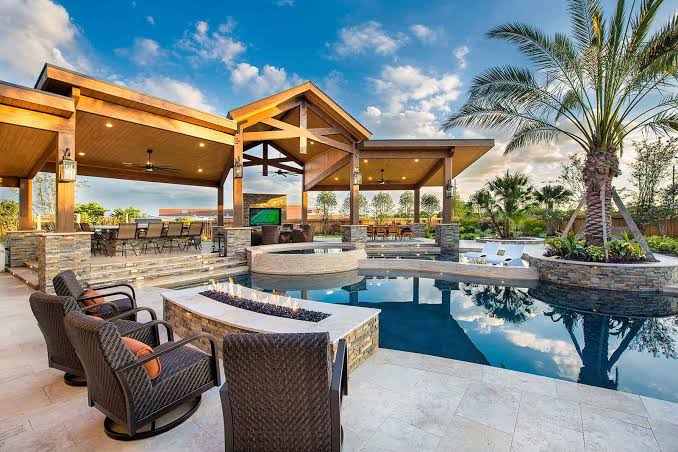
One of the smartest things boutique hotels do is break outdoor areas into smaller experiences. There might be a poolside lounge zone, a bar area, a shaded dining section and a few quieter corners where people can sit with a coffee or a book.
At home, the same principle can make an outdoor space feel much more useful. Rather than pushing furniture around the perimeter or filling every empty spot, think about how people are likely to use the area. A dining table can define one section, while a couple of lounge chairs create another. A raised counter with stools can become a natural gathering point without taking up much room.
This kind of zoning also makes larger spaces feel more intimate. Instead of one big open area, you end up with several smaller places that each have their own purpose.
Mix Comfort with Structure
Hotel spaces often look polished because they strike a balance between relaxed and structured. The furniture is comfortable, but the layout is deliberate. There are soft cushions and casual seating, but everything still has a clear place.
That balance works beautifully in residential outdoor areas too. If every piece is bulky and low to the ground, the space can start to feel heavy. Adding taller elements, such as bar seating or slimline tables, introduces variation and keeps the layout visually interesting.
It also helps to mix furniture types rather than buying everything from one matching set. A space often feels more layered when different shapes, finishes and textures are brought together thoughtfully.
Pay Attention to Materials
Boutique hotels tend to choose materials that look good but can also handle constant use, and that’s a useful mindset for home outdoor areas too.
Timber, powder-coated metal, woven finishes and durable outdoor fabrics can all create a sophisticated look while standing up to changing weather and regular entertaining. The key is consistency. You don’t need every material to match, but they should feel like they belong in the same design story.
Colour also plays a role. Neutral tones are popular because they create a calm base, but that doesn’t mean the space has to be bland. Texture, greenery, patterned cushions and small decorative pieces can add personality without making the area feel cluttered.
Lighting Changes Everything After Dark
An outdoor area can look fantastic during the day and completely lose its atmosphere once the sun goes down. Boutique hotels rarely leave this to chance.
Soft lighting around seating areas, subtle wall lights, pendants over an outdoor kitchen and warm portable lamps can all help shape the mood. The goal usually isn’t to flood the space with light, but to make it feel inviting enough that people naturally want to stay outside.
Lighting can also help reinforce the zones you’ve created. A brighter light over a food preparation area makes sense, while softer light around lounge seating encourages people to relax.
Make the Space Feel Easy to Use
The best-designed spaces rarely feel overly precious. You shouldn’t have to rearrange half the furniture every time someone wants to sit down or worry that every surface is too delicate to use properly.
That’s another lesson worth borrowing from hospitality design. Furniture should be positioned with movement in mind, tables should be easy to reach, and the layout should support the way people actually behave when they’re relaxing or entertaining.
If you regularly have friends over, leave enough space for people to move around comfortably. If you mainly use the area for quiet mornings or evening drinks, focus on comfort and sightlines instead.
Add One or Two Memorable Details
Boutique hotels often have a distinctive element that gives the space character. It might be an oversized planter, an unusual piece of furniture, a striking light fitting or a bold tiled wall.
At home, you don’t need to go overboard. One or two memorable details are often enough. A sculptural chair, a statement outdoor table or a beautifully styled bar area can give the space its own identity without making it feel overdesigned.
Design for the Feeling, Not Just the Look
What makes boutique hotel outdoor spaces so appealing isn’t simply that they look good in photos. They’re designed around how people want to feel: relaxed, comfortable, social and slightly removed from everyday life.
That’s the real idea worth borrowing. Instead of focusing only on furniture or finishes, think about the experience you want the space to create. When the layout, seating, lighting and materials all support that feeling, even a fairly simple outdoor area can start to feel like somewhere you’d happily spend an entire afternoon.