

Last Updated on July 1, 2026 by Rida Gul
Yum Cha is far more than a meal — it’s a ritual rooted in centuries of Chinese culture, social connection, and the simple pleasure of starting the day slowly. While many people today enjoy Yum Cha at all hours, its traditional place in the morning holds deep historical and cultural significance. Understanding why Yum Cha is typically served earlier in the day helps explain why it feels so different from an ordinary brunch or lunch.
Table of Contents
The Origins of Yum Cha: A Morning Tradition
The term Yum Cha literally translates to “drink tea,” and that meaning sits at the heart of the tradition. Originating in southern China, particularly Guangdong province, Yum Cha evolved alongside the rise of tea houses that catered to travellers, traders, and local communities. These tea houses opened early, welcoming guests who wanted to rest, hydrate, and socialise after long journeys or before a full day of work.
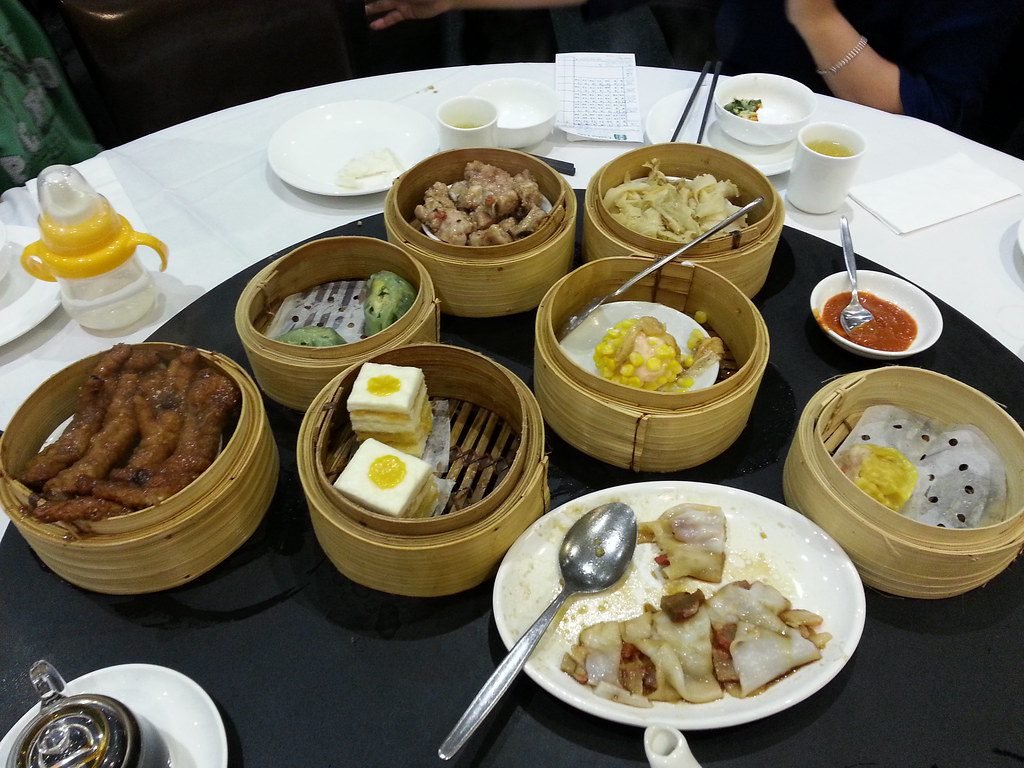
In this setting, light bites accompanied freshly brewed tea — not as a heavy meal, but as a gentle start to the day. This is where many people first begin to understand the difference of Yum Cha and Dim Sum: Yum Cha is the broader tea-centred experience, while Dim Sum refers specifically to the small dishes served alongside the tea.
Tea First, Food Second
Morning is traditionally the best time for tea consumption in Chinese culture. Tea was believed to awaken the body, aid digestion, and restore balance after sleep. Serving Yum Cha early allowed people to enjoy tea when it was thought to be most beneficial, particularly when paired with light, freshly steamed dishes.
Dim Sum items such as dumplings, buns, and rice rolls were intentionally designed to be small and delicate. Their purpose wasn’t to overwhelm the stomach, but to complement the tea and stimulate the appetite gently. This philosophy naturally aligned with breakfast or late-morning dining, rather than heavy afternoon or evening meals.
A Social Start to the Day
Yum Cha has always been deeply social. Families, friends, and business associates would gather in the morning to talk, exchange news, and strengthen relationships. In many Cantonese communities, Yum Cha was a daily or weekly ritual — especially for retirees and elders who valued routine and connection.
Morning gatherings encouraged longer, unhurried conversations. There was no rush to finish and move on; Yum Cha was about lingering, pouring tea for one another, and sharing plates as they arrived. This calm, communal energy suited the morning far more than the fast pace of later hours.
Freshness and Skill in Early Preparation
Traditionally, Dim Sum chefs began their work before dawn. Preparing dumplings, buns, and pastries by hand is labour-intensive and requires precision. Serving Yum Cha in the morning ensured dishes were enjoyed at their freshest — when dough was soft, fillings were fragrant, and textures were exactly as intended.
Tea houses built their reputations on quality and consistency. Morning service allowed them to showcase craftsmanship at its peak, reinforcing why Yum Cha became associated with early-day dining.
Cultural Beliefs Around Balance and Digestion
Chinese food culture places strong emphasis on balance — between hot and cold, light and rich, yin and yang. Morning Yum Cha aligns with these principles. Warm tea paired with steamed foods was thought to gently activate digestion without shocking the system.
Heavier, fried, or intensely flavoured dishes were traditionally reserved for later meals. Yum Cha’s lighter profile made it ideal for the morning, reinforcing the belief that how you start your day affects your overall wellbeing.
Why We Still Enjoy Yum Cha in the Morning Today
Although modern schedules mean Yum Cha is now enjoyed well into the afternoon, the morning remains its spiritual home. Many restaurants still open early to honour tradition, and diners often associate Yum Cha with weekend mornings, family gatherings, and relaxed starts to the day.
The enduring appeal lies in the experience itself — the rhythm of tea refills, the arrival of bamboo steamers, and the shared nature of the meal. These elements feel most natural when the day is still unfolding, not winding down.
More Than a Meal
Yum Cha’s morning roots reflect its true purpose: connection, balance, and mindful enjoyment. While modern dining habits have expanded when and how we enjoy it, the tradition remains a reminder that some meals are about more than hunger. They’re about slowing down, sharing time, and starting the day with intention — one cup of tea at a time.
Apart from that, if you want to know more about Where Can You Get a Good Breakfast in Waikiki then visit our Food category.


