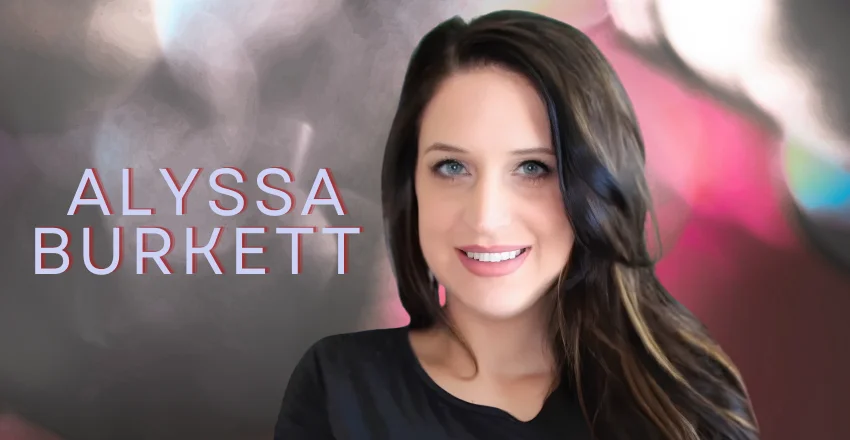
Alyssa Burkett was a 24-year-old Texas mother whose 2020 killing became the center of a complex federal prosecution. Her former boyfriend, Andrew Beard, admitted carrying out the fatal attack outside her Carrollton workplace. Investigators later concluded that Beard’s then-fiancée, Holly Elkins, helped plan the crime.
Direct answer: Burkett was killed in Carrollton, Texas, on October 2, 2020, during an escalating custody dispute. Andrew Beard later pleaded guilty to federal charges and received 43 years in prison. Holly Elkins was separately convicted for her role in the stalking and murder plot.
| Quick fact | Details |
|---|---|
| Full name | Alyssa Ann Burkett |
| Age at death | 24 |
| Location | Carrollton, Texas |
| Date of death | October 2, 2020 |
| Child | One young daughter |
| Former boyfriend | Andrew Charles Beard |
| Co-conspirator convicted | Holly Ann Elkins |
| Beard’s sentence | 43 years in federal prison |
| Elkins’ 2024 sentence | Two consecutive life terms |
| Major 2025 appeal result | One firearm conviction and related life term vacated |
| Supreme Court status | Certiorari petition denied October 5, 2026 |
The case remains notable because its legal story continued years after the killing. A federal appeals court changed part of Elkins’ judgment in December 2025. The U.S. Supreme Court declined her petition on October 5, 2026.
Table of Contents
Who Was Alyssa Burkett?
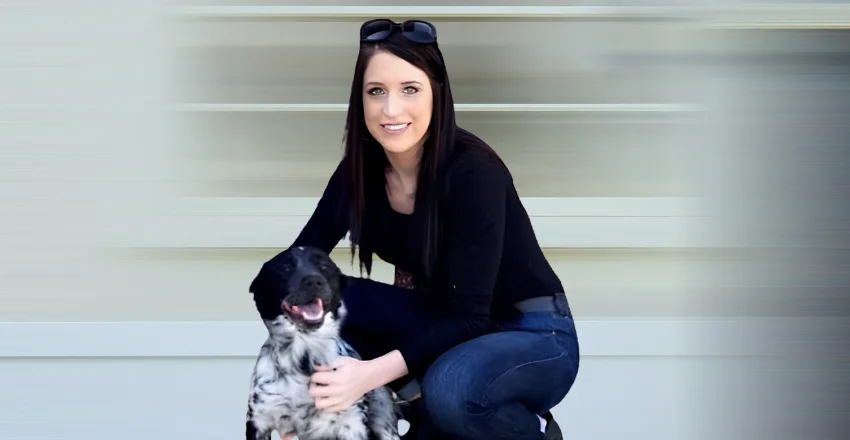
Burkett was a young mother living and working in North Texas. News reports describe her as an assistant office manager at the Greentree Apartments in Carrollton. She shared a young daughter with her former boyfriend, Andrew Beard.
Her life had become entangled in an increasingly hostile child-custody dispute before her death. Federal prosecutors later described months of stalking, harassment, false reports, and efforts to damage her reputation. Those actions became central evidence in the later case against Elkins.
Public coverage often focuses on the investigation’s extraordinary details. Yet the case began with the loss of a mother, daughter, friend, and coworker. That human context remains central as people review the crime and later court proceedings.
What Happened on October 2, 2020?
Burkett arrived at her workplace in Carrollton on the morning of October 2, 2020. Authorities said Beard approached while she was inside her vehicle and shot her through the window. He then attacked her with a knife after she left the vehicle.
Coworkers found her badly injured near the office entrance and tried to help her. She died from the injuries before she could be saved. Investigators quickly began examining the custody conflict and Beard’s relationship with her.
Police initially arrested Beard within days of the killing. The investigation later expanded beyond the person who physically carried out the attack. Evidence eventually led federal authorities toward Elkins and an alleged wider plan.
The Months of Stalking Before the Killing
Federal prosecutors said the attack followed a sustained campaign against Burkett. Investigators found evidence involving GPS tracking, false police complaints, and attempts to place incriminating items in her vehicle. Prosecutors argued these actions sought to weaken her position in the custody dispute.
The government said Elkins and Beard hired a private investigator to search for damaging information. That investigator reportedly found nothing incriminating about Burkett or her new boyfriend. Authorities also said false reports were made to police under fabricated circumstances.
Readers interested in broader legal topics involving abuse can visit Digestley’s domestic violence legal support guide. Digestley also maintains a wider U.S. law information section covering court and legal topics. These resources provide general background rather than case-specific legal advice.
Evidence Connecting Andrew Beard and Holly Elkins
The evidence described by prosecutors covered communications, purchases, location data, and preparations before the killing. Authorities said Elkins accompanied Beard during purchases connected with the planned attack. Investigators also recovered messages that prosecutors presented as evidence of encouragement and planning.
Authorities said Beard used dark makeup and other items to disguise his appearance during the attack. Investigators later connected purchases and physical evidence to preparations made before October 2. Beard eventually told investigators about Elkins’ involvement after reaching his federal plea agreement.
That evidence shifted the case from one focused solely on Beard. Federal investigators spent additional time building a separate case against Elkins. She was arrested in 2023 after returning to the United States from the Dominican Republic.
Andrew Beard’s Guilty Plea and 43-Year Sentence
Beard ultimately pleaded guilty to federal charges connected with cyberstalking and the fatal attack. A federal judge sentenced him to 43 years in prison in May 2023. His cooperation also became important as the investigation into Elkins continued.
The federal prosecution focused on conduct extending beyond the physical killing itself. Stalking allegations let authorities examine the months before the attack. That broader timeline exposed how harassment, surveillance, and violence became connected.
For readers seeking general explanations about civil disputes and legal representation, Digestley also publishes a guide to lawyers and lawsuits. The Burkett prosecution itself was a criminal federal matter. Civil claims and criminal prosecutions follow different legal procedures.
Holly Elkins’ Trial, Conviction, and Sentencing
A federal jury convicted Elkins in April 2024 after a seven-day trial. The counts included conspiracy to stalk and stalking resulting in death. Jurors also convicted her on a firearm-related count.
In August 2024, the district court imposed two consecutive life sentences. The Justice Department characterized Elkins as a central participant in the campaign against Burkett. Beard had already begun serving his separate 43-year sentence.
The sentencing did not end the litigation because Elkins appealed her convictions. That appeal later produced a significant change to part of her judgment. It did not erase the core stalking conviction tied to the death.
The 2025 Federal Appeals Court Decision
The Fifth Circuit issued its decision in December 2025. The court affirmed major portions of Elkins’ conviction while vacating the firearm conviction known as Count Three. It also vacated the life sentence attached to that count.
The court’s reasoning concerned whether the underlying stalking offense qualified categorically as a federal “crime of violence.” The judges concluded the jury instructions permitted conviction under alternative statutory provisions. That created a legal problem for the separate firearm count.
This distinction matters because 2024 headlines described two consecutive life terms. The later appellate ruling changed one part of that sentencing structure. It did not overturn the entire case against Elkins.
Where the Alyssa Burkett Case Stands in 2026
Elkins asked the U.S. Supreme Court to review her case in March 2026. The petition followed the Fifth Circuit’s December 2025 ruling. The Supreme Court docket shows extensive briefing continued through July.
The petition was distributed for the Court’s September 28, 2026 conference. On October 5, 2026, the Supreme Court denied the petition. That denial left the Fifth Circuit decision in place.
The denial is an important current update for people encountering older coverage. Earlier reports may still describe Elkins simply as serving two consecutive life terms. The appellate history provides a more accurate picture of the case today.
Why the Case Drew National Attention
The case received renewed national coverage through true-crime television programs. CBS’s 48 Hours examined the investigation and evidence surrounding Beard and Elkins. ABC’s 20/20 later revisited the killing and its complex investigative history.
The story attracted attention because investigators uncovered a long sequence of conduct before the murder. That evidence included alleged surveillance, false accusations, planted evidence, disguises, and extensive electronic communications. The later prosecution also showed how digital evidence can shape modern criminal cases.
The continuing appeals added another layer beyond the original investigation. Court decisions in 2025 and 2026 changed the legal status of part of Elkins’ conviction. Those updates make current sourcing especially important for anyone researching the case.
Frequently Asked Questions
What happened to Alyssa Burkett?
She was killed outside her workplace in Carrollton, Texas, on October 2, 2020. Her former boyfriend, Andrew Beard, admitted responsibility for the fatal attack. Federal authorities later prosecuted Holly Elkins for helping orchestrate the plot.
Who killed her?
Andrew Beard carried out the physical attack, according to his guilty plea and federal court records. Prosecutors said Elkins helped plan and encourage the crime. A federal jury later convicted her on charges connected with the stalking campaign and death.
How long was Andrew Beard sentenced to prison?
Beard received a 43-year federal prison sentence in May 2023. He had pleaded guilty to federal charges linked to stalking and Burkett’s death. His later statements helped investigators continue building their case against Elkins.
Did Holly Elkins receive two life sentences?
The district court initially imposed two consecutive life terms in August 2024. In December 2025, the Fifth Circuit vacated one firearm conviction and its corresponding life sentence. The appeals court otherwise affirmed the district court’s judgment.
Did the Supreme Court hear Holly Elkins’ appeal?
Elkins filed a petition asking the Supreme Court to review her case. The Court denied that petition on October 5, 2026. The denial left the Fifth Circuit’s appellate decision standing.
Remembering the Person Behind the Case
Court records explain what happened, but they cannot fully describe the person her family lost. Burkett was 24 and raising a young daughter when her life ended. Her family has continued speaking publicly about her memory and her love for her child.
For readers, the most useful approach is separating verified court findings from dramatized retellings. DOJ releases, appellate decisions, and the Supreme Court docket provide the clearest procedural record. Current sources also prevent older sentencing information from being repeated without the later appeal update.
The case now has a lengthy record spanning investigation, guilty plea, trial, sentencing, appeal, and Supreme Court proceedings. Its legal history changed again as recently as October 2026. That makes the newest court records essential for an accurate account.