

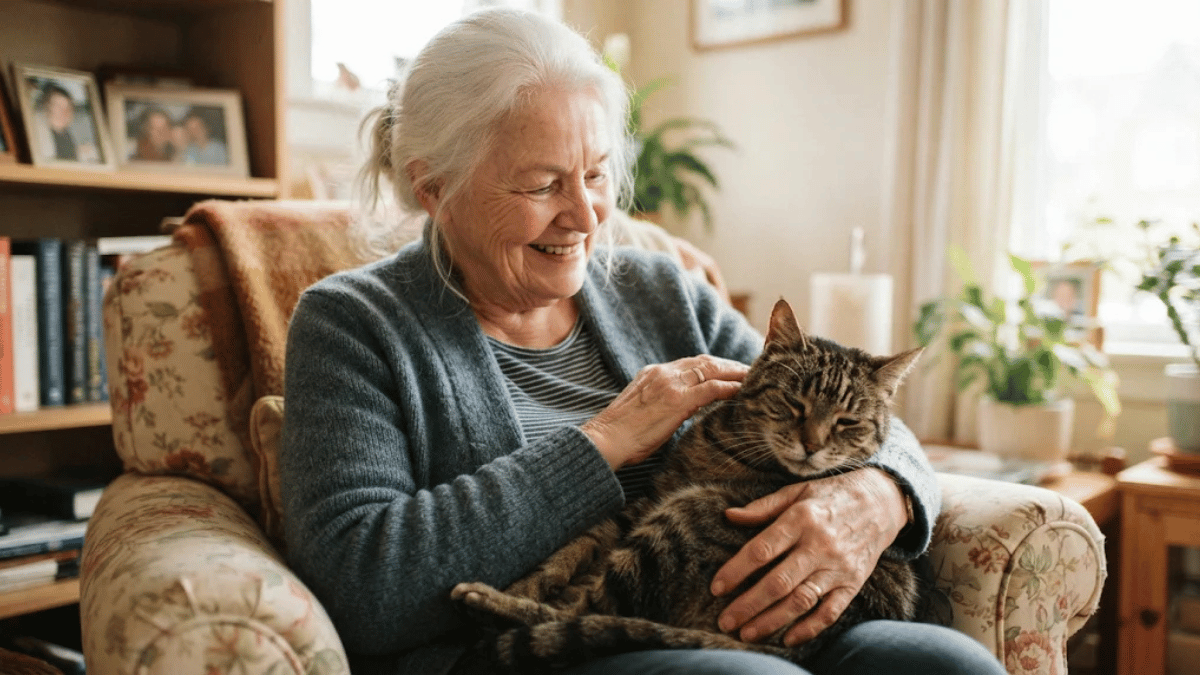
Tabby cats commonly live about 12 to 18 years, although many well-cared-for cats reach their late teens. Some even live into their twenties. Their striped or spotted coat does not determine their lifespan.
How long tabby cats live depends more on genetics, lifestyle, nutrition, weight, and veterinary care. Indoor living can also reduce exposure to several preventable dangers. Understanding these factors can help you support healthier aging.
Direct answer: Most tabbies can live roughly 12 to 18 years with good care. Many indoor cats reach their late teens. Because tabby describes a coat pattern rather than a breed, genetics and lifestyle matter more than markings. Preventive veterinary care, healthy weight, nutrition, and a safe environment can all influence longevity.
Table of Contents
Tabby Cat Lifespan at a Glance
| Factor | What Owners Should Know |
|---|---|
| Typical lifespan | About 12–18 years |
| Possible lifespan with strong care | Late teens or sometimes 20+ |
| Is tabby a breed? | No, it is a coat pattern |
| Indoor versus outdoor | Outdoor exposure can add safety and disease risks |
| Senior life stage | Generally begins after age 10 |
| Important longevity factors | Genetics, weight, diet, preventive care, environment |
| Veterinary visits | At least yearly; senior cats often need more frequent checks |
Current veterinary sources place general feline longevity in the low-to-high teen range. PetMD reports that most cats live around 13 to 17 years. Cat-specific sources commonly place tabbies within a similar broad range.
Key Takeaways
- A tabby is defined by its coat markings, not a single genetic breed.
- Many healthy tabbies live around 12 to 18 years.
- Some indoor cats reach their late teens or twenties.
- Breed background can influence inherited health risks.
- Maintaining a healthy body weight supports long-term wellness.
- Regular veterinary care becomes especially important with age.
- Safe indoor enrichment may reduce several outdoor hazards.
Why Tabby Cats Do Not Have One Exact Lifespan
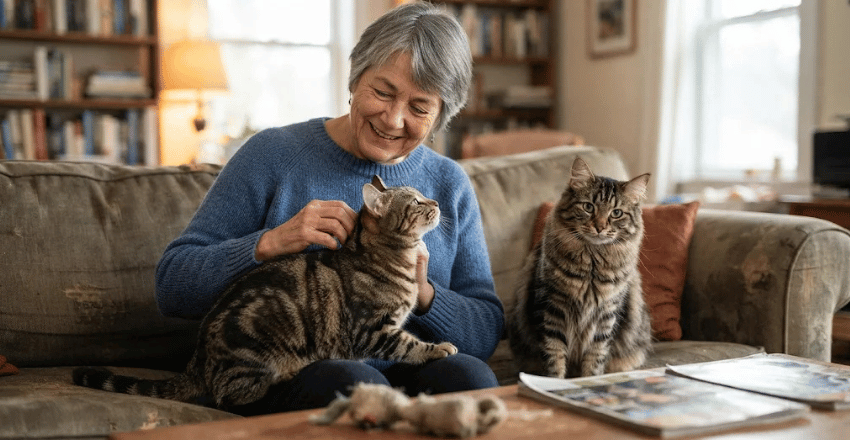
The word “tabby” describes markings such as stripes, spots, swirls, or ticking. These patterns appear in many pedigreed and mixed-breed cats. That means two tabbies can have completely different genetic backgrounds.
One tabby might be an American Shorthair, while another might be a mixed-breed domestic shorthair. A Maine Coon can also carry tabby markings. Their health risks can differ even when their coats look similar.
This distinction matters when estimating lifespan. Coat markings themselves do not reliably predict longevity. Breed, inherited conditions, environment, and everyday care provide much more useful information.
Readers interested in how coat appearance relates to breed differences may also find the site’s Bombay cat versus black cat comparison useful. That article explains another common difference between coat appearance and breed identity. The same distinction helps when understanding tabbies.
How Long Do Tabby Cats Live Indoors?
Indoor cats often live longer because their environment is easier to control. They face less exposure to traffic, roaming injuries, fights, and several infectious risks. Indoor living does not guarantee longevity, but it removes several avoidable hazards.
Indoor cats still need exercise and mental stimulation. Without enough activity, some cats gain excess weight or become bored. Owners should provide climbing areas, scratching surfaces, toys, and regular interactive play.
A safe home also requires attention to household hazards. Medications, chemicals, cords, unsafe plants, and small swallowed objects can cause emergencies. Digestley’s pet-friendly home guide offers additional ideas for creating safer spaces.
What Factors Affect a Tabby Cat’s Lifespan?
Several factors affect longevity more than coat color or pattern. Many of them can change throughout a cat’s life. Monitoring these areas gives owners practical ways to support healthy aging.
Genetics and Breed Background
A tabby can belong to almost any breed or mixed ancestry. Some breeds inherit tendencies toward specific medical conditions. Mixed-breed cats may have different genetic risk profiles.
Knowing your cat’s background can help guide preventive care. Your veterinarian may recommend screening based on breed, age, or family history. This is more useful than making health assumptions from coat markings alone.
Weight and Nutrition
Healthy weight management matters throughout adulthood. Excess body weight can contribute to several health problems and may reduce mobility. Underweight cats can also have nutritional or medical concerns.
Feed a complete diet appropriate for your cat’s age and health status. Portion sizes should match your cat’s body condition and activity level. A veterinarian can help adjust feeding plans if weight begins to change.
Veterinary Care
Cats often hide early signs of discomfort or illness. Regular examinations can reveal changes that owners may not notice at home. Earlier detection can give veterinarians more options for managing developing conditions.
AAHA and AAFP guidelines recommend at least annual examinations for cats. Senior cats should generally be examined at least every six months. Individual medical conditions may require more frequent appointments.
Spaying or Neutering
Sterilization can affect several health and behavioral risks. Neutered males may roam and fight less often than intact males. Spaying also removes the risk of certain reproductive diseases.
Research has found associations between sterilization status and feline longevity. The exact effect varies by population and individual animal. Owners should discuss timing and personal risk factors with their veterinarian.
When Is a Tabby Cat Considered Senior?
Current AAHA and AAFP guidance places cats older than 10 years in the senior life stage. Age categories provide a useful framework for preventive care. Individual cats can still age at different rates.
Senior cats may sleep more or become less active. They can also develop changes involving appetite, thirst, mobility, grooming, vision, or behavior. These changes should not automatically be dismissed as normal aging.
Veterinary checks become more valuable during this period. Guidelines recommend examinations at least every six months for seniors. Monitoring weight and muscle condition can also reveal subtle health changes earlier.
Signs an Aging Cat May Need Veterinary Attention
Gradual changes can be easy to overlook. Keeping notes about daily habits can make patterns easier to identify. Contact your veterinarian when something seems consistently different.
Watch for these changes.
- unexplained weight loss or gain;
- increased thirst or urination;
- reduced appetite;
- repeated vomiting or diarrhea;
- difficulty jumping or climbing;
- changes in litter-box habits;
- increased nighttime vocalization;
- poor grooming or a greasy coat;
- hiding more often;
- new confusion or behavior changes.
None of these signs automatically means a serious disease is present. They can still justify a veterinary examination, especially in an older animal. Senior-care guidelines specifically encourage owners to watch for several of these changes.
How to Help Your Cat Live a Longer, Healthier Life
You cannot control every genetic or medical factor. You can still influence many parts of your pet’s daily environment. Consistent basic care often matters more than complicated routines.
Keep your cat at a healthy weight and provide age-appropriate nutrition. Encourage regular movement through play, climbing, scratching, and food puzzles. Indoor cats also benefit from windows, elevated resting areas, and predictable social interaction.
Schedule routine veterinary examinations and follow recommended preventive care. Discuss dental health, vaccinations, parasite protection, and screening needs with your veterinarian. The Digestley Pets section also contains broader pet-care reading for owners.
Home safety deserves equal attention. Store medicines and cleaners securely, check plants before bringing them indoors, and supervise unsafe outdoor access. Small preventive choices can reduce several avoidable risks.
Does Coat Color Change Lifespan?
There is no strong reason to expect striped, gray, brown, silver, or orange markings alone to determine longevity. Tabby markings occur across many unrelated feline populations. Breed background and individual health matter more.
Orange tabbies are sometimes discussed separately because orange coat genetics have a sex-linked pattern. That does not make orange coloring a direct predictor of lifespan. A veterinarian should evaluate the individual animal, not its color.
Frequently Asked Questions
How long do tabby cats live on average?
Most estimates place them around 12 to 18 years, depending on health and lifestyle. Some healthy indoor cats live into their late teens or twenties. The tabby pattern itself doesn’t determine a biological lifespan.
Can a tabby cat live 20 years?
Yes, some cats reach 20 years or beyond. Cornell notes that veterinarians now see feline patients in their twenties. Longevity depends on genetics, health history, environment, and medical care.
Do indoor tabbies live longer?
Indoor living can reduce exposure to traffic, fights, predators, parasites, and other dangers. A controlled environment can therefore support safer aging. Indoor cats still need exercise, enrichment, preventive care, and healthy nutrition.
Is a tabby cat a breed?
No, tabby refers to a coat pattern rather than one breed. The markings can appear in pedigreed and mixed-breed cats. This is why breed-specific lifespan estimates cannot apply to every tabby.
Is 15 old for a tabby cat?
A 15-year-old cat is firmly within the senior stage. Many cats can still enjoy a good quality of life at that age. Regular examinations become especially important for identifying age-related changes early.
The Bottom Line
Most tabbies can reasonably be expected to live well into their teens with suitable care. Some live past 20, while others develop medical problems much earlier. A coat pattern cannot predict an individual cat’s future.
Focus instead on the factors you can influence. Keep your pet safe, lean, active, well-fed, and regularly examined by a veterinarian. Those habits support a cat through every life stage.