

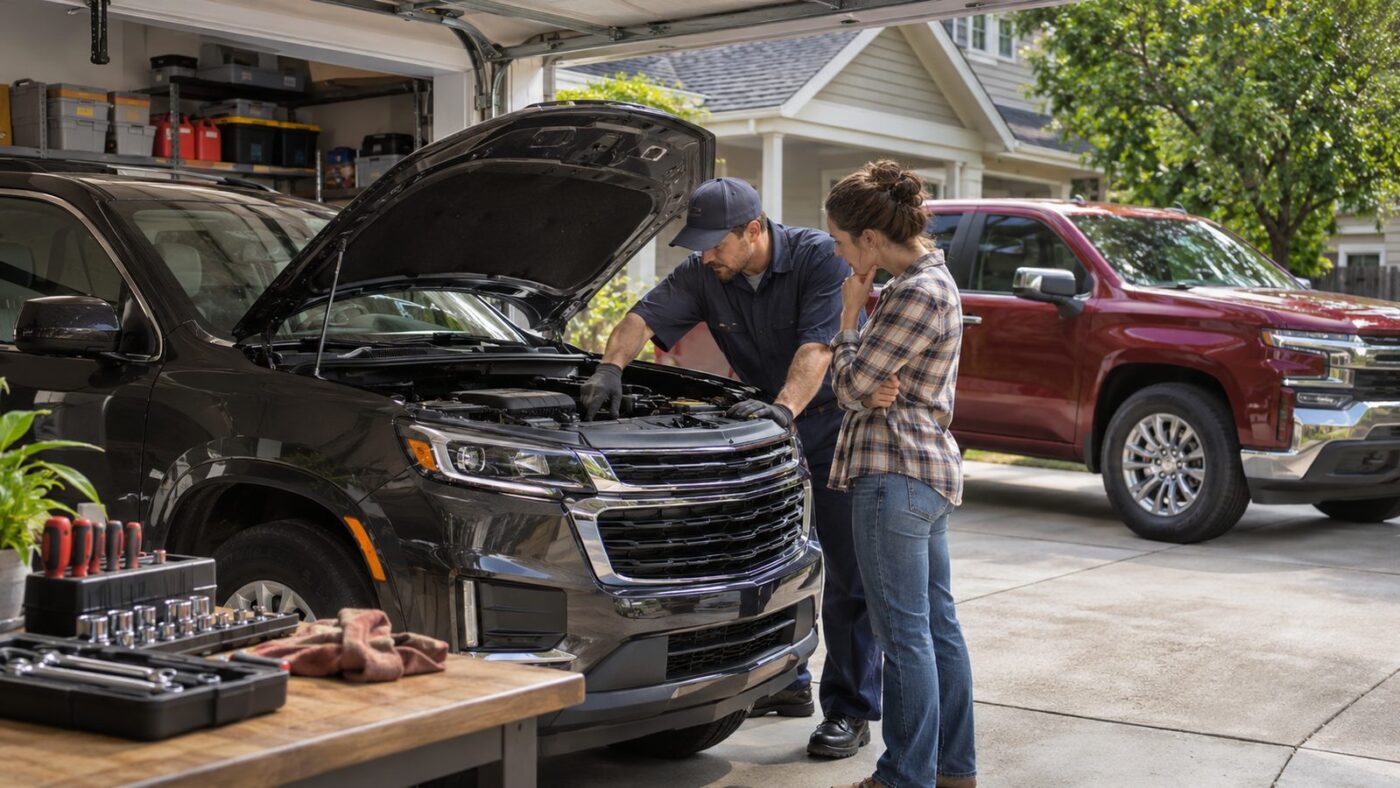
Chevrolet vehicles offer a mixed reliability record, rather than consistently excellent or poor performance. If you’re asking, are Chevys reliable, the short answer is that they’re generally average, with substantial differences between models and years. Some models earn encouraging reliability scores, while others have recurring mechanical or software concerns.
Table of Contents
Chevrolet Reliability: The Key Facts
| Reliability measure | Chevrolet result |
|---|---|
| Consumer Reports 2026 reliability ranking | 17th out of 26 brands |
| Consumer Reports 2026 reliability score | 42 out of 100 |
| Consumer Reports 2025 overall brand ranking | 25th |
| J.D. Power 2025 Vehicle Dependability Study | 169 PP100 |
| J.D. Power 2025 industry average | 202 PP100 |
| J.D. Power 2026 Vehicle Dependability Study | 178 PP100 |
| J.D. Power 2026 industry average | 204 PP100 |
| RepairPal reliability rating | 3.5 out of 5.0 |
| RepairPal brand position | 20th out of 32 |
| RepairPal average annual repair cost | $649 |
These measurements use different methods and shouldn’t be treated as interchangeable. Consumer Reports examines owner-reported reliability problems, while J.D. Power measures problems after three years. RepairPal evaluates repair costs, frequency, and severity.
Are Chevys Reliable According to Recent Rankings?
Recent industry research places Chevrolet around the middle of the reliability field. The results suggest reasonable dependability, but not a clear advantage over leading competitors. Individual model ratings provide a more useful picture than the brand average.
Consumer Reports: 2025 and 2026 Results
Consumer Reports’ 2025 Automotive Brand Report Card ranked Chevrolet 25th overall. That particular ranking combined road-test performance, predicted reliability, owner satisfaction, and safety. It wasn’t a reliability-only ranking, so the position needs that qualification. In its 2026 Annual Auto Reliability Survey, Chevrolet ranked 17th among 26 brands. Its reliability score was 42 out of 100, placing it in the middle of the rankings. The Chevrolet Trax scored 69, while the Equinox scored only 17. These results show why buyers should investigate individual models. A manufacturer’s average can hide substantial differences between vehicles sharing the same badge. Source: Consumer Reports 2025 Brand Report Card and 2026 Annual Reliability Survey.
J.D. Power: Vehicle Dependability Study
J.D. Power provides another useful comparison through its Vehicle Dependability Study. The research measures problems reported by original owners after three years. Its PP100 measurement means problems per 100 vehicles, with lower scores indicating better dependability. In the 2025 study, Chevrolet recorded 169 PP100 against an industry average of 202. That result placed the brand ahead of the overall industry average. The study examined 2022 model-year vehicles after three years of ownership. The 2026 study recorded 178 PP100 for Chevrolet, compared with 204 industry-wide. Chevrolet ranked third among mass-market brands, behind Buick and MINI. These findings suggest respectable long-term dependability, although they don’t guarantee trouble-free ownership. Sources: J.D. Power 2025 VDS and J.D. Power 2026 VDS.
RepairPal: Reliability Rating and Repair Costs
RepairPal gives Chevrolet a reliability rating of 3.5 out of 5.0. This places the manufacturer 20th among 32 automotive brands. Its database covers repair costs, frequency, and the likelihood of serious repairs. The average annual Chevrolet repair cost is $649, compared with $652 across all vehicle brands. Chevrolet vehicles average approximately 0.28 unscheduled repair visits annually. RepairPal also estimates a 15% probability of a repair being severe. These figures indicate manageable average repair expenses, but they don’t mean every model is inexpensive to maintain. A major engine or transmission failure can cost substantially more than routine annual maintenance. Source: RepairPal Chevrolet Reliability Rating.
Which Chevrolet Models Have Better Reliability?
Model selection matters more than the manufacturer’s overall reputation. The following comparisons use published ratings and study results rather than assuming every Chevrolet shares identical mechanical components.
| Chevrolet model | Reliability evidence | Buying consideration |
|---|---|---|
| Trax | CR 2026 score of 69; 2026 predicted reliability above average | Encouraging small SUV option |
| Silverado | J.D. Power 2025 segment award | Check engine and transmission carefully |
| Tahoe | J.D. Power 2025 and 2026 model recognition | Reliability varies by year and engine |
| Malibu | Established model with used-car history | Check the specific year and maintenance |
| Equinox | CR 2026 score of 17 | Investigate carefully |
| Blazer EV | Software-related service bulletins | Verify updates and electronic functions |
Chevrolet Trax
The Trax is one of the more encouraging choices in Chevrolet’s current lineup. Consumer Reports gave the model a reliability score of 69 in its 2026 survey. Its 2026 predicted reliability is also better than the average new car. J.D. Power gave the 2025 Trax an 84 out of 100 for quality and reliability. These results make it worth considering for buyers seeking an affordable compact SUV. Still, inspect the specific vehicle and review its maintenance history before purchasing.
Chevrolet Silverado
The Silverado has encouraging evidence from J.D. Power’s dependability research. The 2025 study recognized it as the highest-ranked model in its large light-duty pickup segment. This recognition supports its reputation as a competitive truck, but it doesn’t apply equally to every engine configuration. Engine choice deserves particular attention, especially when shopping for a used 6.2-liter V8. Buyers should investigate recall history, oil maintenance, engine noises, and transmission behavior. A different engine configuration may avoid the specific L87 recall concern discussed below.
Chevrolet Tahoe
The Tahoe has also received recognition in J.D. Power’s vehicle dependability research. It received model-level recognition in both the 2025 and 2026 studies. That provides encouraging evidence, although other reliability assessments have produced less favorable results. Consumer Reports predicted below-average reliability for the 2026 Tahoe. The difference illustrates why buyers should examine several sources before choosing a vehicle. Engine selection, equipment, production year, and maintenance records remain essential considerations.
Chevrolet Malibu
The Malibu deserves consideration among used Chevrolet sedans. It offers a familiar conventional-car design without the added complexity of an electric powertrain. Its reliability depends heavily on the specific model year and service history. One correction matters for buyers researching discontinued models. Chevrolet identifies the 2025 Malibu as the final model year, rather than 2024. Used examples can still make sense, provided buyers check previous repairs, transmission performance, and maintenance records.
Chevrolet Equinox and Equinox EV
The conventional Equinox deserves extra research because Consumer Reports gave it a reliability score of 17 in its 2026 survey. The redesigned 2025 generation also experienced below-average reliability predictions. Buyers should examine its specific year rather than assuming improvements across generations. The Equinox EV requires a different inspection approach. Its software and infotainment systems deserve attention alongside the battery and charging equipment, and our overview of what car shoppers need to know about electric vehicles covers the basics. A complete software update history can help identify unresolved electronic concerns.
Common Chevrolet Reliability Problems
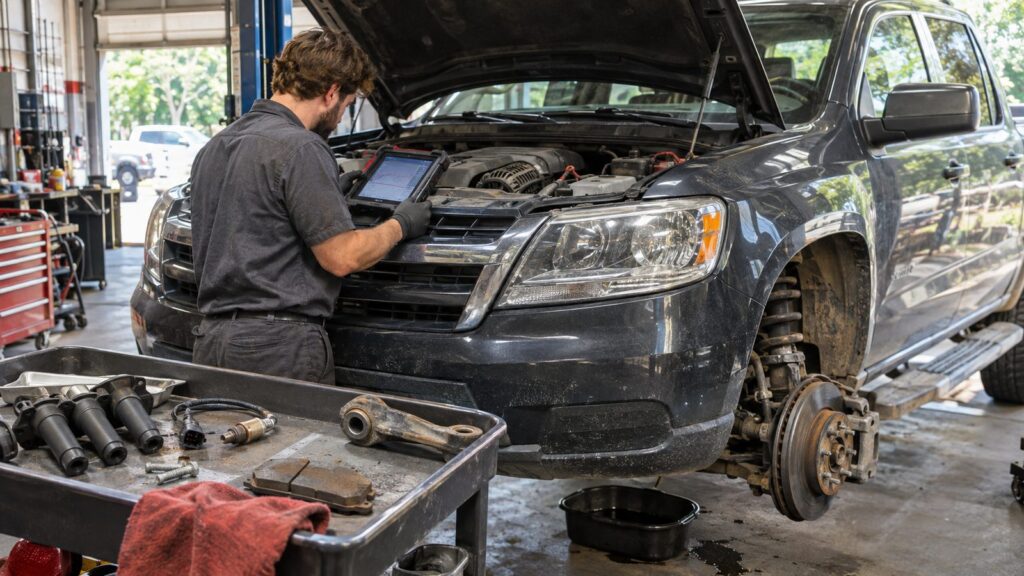
Chevrolet doesn’t have one universal mechanical weakness. Certain engine families, transmissions, and electronic systems have attracted specific complaints or service attention. Understanding those concerns helps buyers focus their inspections.
1. The 6.2L L87 V8 Engine Recall
The L87 6.2-liter V8 deserves particular attention when shopping for certain full-size GM vehicles. In April 2025, GM announced recall 25V-274 for affected 2021–2024 model-year vehicles. These included certain Silverado 1500, Tahoe, and Suburban models. The issue involved potentially defective engine components, including connecting rods and crankshafts. Bearing damage could cause engine failure and sudden loss of propulsion. This creates a serious safety concern, rather than an ordinary maintenance expense. NHTSA subsequently continued investigating reports involving the engine and the effectiveness of the recall remedy. Buyers should verify the vehicle identification number and recall repair status. Don’t assume that every 6.2-liter vehicle is affected or that every recalled vehicle received an adequate remedy. Source: NHTSA investigation PE25001.
2. Eight-Speed and Ten-Speed Automatic Transmissions
Some Chevrolet vehicles have experienced automatic transmission complaints involving shuddering, harsh shifts, slipping, or unusual behavior. These symptoms don’t establish that every transmission from these families is defective. They do justify careful testing before purchasing a used vehicle. GM’s 2025 preliminary bulletin PIP6060 discusses shudder or surge complaints involving certain 2023–2025 Silverado and Colorado eight-speed applications. Other GM service communications address transmission cooling and shifting concerns across selected eight-speed and ten-speed applications. The exact transmission, engine, production date, and service bulletin matter. During a test drive, pay attention to delayed engagement and rough gear changes. Ask whether previous owners reported transmission symptoms or received software updates. Have a qualified technician investigate persistent shuddering instead of accepting it as normal behavior. Sources: NHTSA-hosted GM bulletin PIP6060 and GM transmission service communication.
3. Equinox EV and Blazer EV Software Issues
Modern electric Chevrolets depend heavily on software and electronic controls. GM issued service communications addressing infotainment and radio software concerns in selected 2024–2025 vehicles. Affected models included the Blazer EV and Equinox EV. Reported concerns included connectivity failures, display problems, Bluetooth disconnections, and software-related radio behavior. Some issues required software updates rather than hardware replacement. Buyers should verify that applicable updates have been installed. Check the central display, climate controls, phone connectivity, charging functions, and driver-assistance features. Ask the dealer about outstanding software campaigns and documented repairs. These checks are especially useful when evaluating an early-production electric model. Source: GM infotainment bulletin details.
How to Check a Used Chevrolet Before Buying
A brand reliability score cannot establish whether an individual used vehicle is dependable. Its previous owner, driving conditions, maintenance, and repair history all influence its condition. Use these checks before committing to a purchase.
- Check recalls using the VIN. Visit the NHTSA recall database and enter the vehicle’s 17-character identification number. Review open safety recalls and confirm completed repairs with the seller.
- Review model-specific reliability ratings. Consult Consumer Reports for the exact model year. Pay attention to predicted reliability, trouble areas, and used-car ratings.
- Request maintenance records. Look for regular oil changes, transmission servicing, coolant maintenance, and documented repairs. Missing records create uncertainty about how previous owners treated the vehicle.
- Arrange a pre-purchase inspection. Hire an independent mechanic familiar with Chevrolet vehicles, and read our guide to used car pre-purchase inspections first. Request a diagnostic scan and inspection of the engine, transmission, suspension, brakes, and electrical systems.
- Take a proper test drive. Test the vehicle from a cold start and during normal highway driving. Watch for warning lights, unusual noises, hesitation, rough shifts, and overheating.
- Check ownership and accident history. Review available vehicle history reports and compare their information with maintenance invoices. Look for inconsistent mileage, previous collision repairs, flood damage, and unexplained title changes.
The VIN check deserves special attention because recall coverage can depend on production details. NHTSA also explains that recently announced recalls may not immediately appear for every affected VIN. Recheck the database when necessary and confirm repairs with an authorized dealer.
Maintenance Tips That Can Extend Chevrolet Vehicle Life
Consistent maintenance can reduce avoidable repairs and help preserve long-term dependability. Follow the maintenance schedule for your exact model, engine, and driving conditions. Avoid relying on a generic schedule when the owner’s manual provides more specific guidance.
- Change engine oil regularly. Follow the manufacturer’s recommended oil specification and service intervals. Severe driving conditions may require more frequent changes.
- Maintain the transmission. Follow the correct fluid inspection and service recommendations for your transmission. Investigate unusual shifting before symptoms become worse.
- Monitor the cooling system. Check coolant levels, hoses, and signs of leaks. Address overheating immediately to protect expensive engine components.
- Maintain tires and brakes. Check tire pressure, alignment, tread depth, and brake condition. Proper maintenance also improves handling and road safety.
- Keep software updated. Install applicable manufacturer updates and address recurring electronic warnings. Save service records for future reference.
- Inspect the battery and electrical system. Check battery condition, terminals, charging performance, and warning messages. Electrical problems can affect several vehicle systems.
- Use quality replacement parts. Choose components that meet the manufacturer’s specifications. Poor-quality parts can create additional problems and shorten component life.
Good maintenance cannot eliminate manufacturing defects or guarantee a problem-free vehicle. It can, however, help prevent neglect-related failures and make emerging problems easier to identify.
Frequently Asked Questions
Are Chevys reliable for everyday driving?
Yes, many Chevrolet vehicles can handle everyday driving reliably. Recent industry studies place the brand near the middle or above the industry average, depending on the measurement. Choosing a well-rated model and maintaining it properly makes a meaningful difference.
Are Chevys reliable compared with Toyota and Honda?
Chevrolet’s 2026 Consumer Reports reliability position was 17th among 26 brands, so check where Toyota and Honda placed in the same survey before deciding. Individual Chevrolet models can still offer competitive ownership experiences. For another mainstream comparison, see our guide on whether Mazda is reliable.
Which Chevrolet model is the most reliable?
The Trax has encouraging evidence from Consumer Reports and J.D. Power. Its 2026 predicted reliability is above average, and its 2025 J.D. Power quality and reliability score was 84. Buyers should still compare individual model years and available repair records.
Do Chevrolets have expensive repair costs?
RepairPal estimates Chevrolet’s average annual repair cost at $649. That’s slightly below its reported industry-wide average of $652. Major engine or transmission repairs can still create substantial expenses.
Is a used Chevrolet Silverado worth buying?
A used Silverado can be worth considering when its engine and transmission have strong service records. J.D. Power recognized the model in its 2025 large light-duty pickup dependability results. Buyers should pay particular attention to affected L87 engines and transmission behavior.
Are Chevrolet electric vehicles reliable?
Electric Chevrolet models require careful evaluation of software, battery, charging, and electronic systems. GM has issued software-related service communications for selected Blazer EV and Equinox EV vehicles. Check applicable updates and inspect all electronic functions before buying.
Is the Chevrolet Malibu discontinued?
Yes, Chevrolet has discontinued the Malibu, with the 2025 model year identified as its final year. Used examples remain available through private sellers and dealerships. Buyers should compare maintenance records and model-year reliability before purchasing.
Are Chevys reliable enough to keep for ten years?
A well-maintained Chevrolet can provide many years of useful service. Long-term dependability depends on the engine, transmission, mileage, maintenance, and driving conditions. A thorough inspection matters more than the brand name alone.
Final Verdict: Should You Buy a Chevrolet?
Chevrolet offers average-to-respectable reliability, depending on the model and year. Its recent J.D. Power results are encouraging, while Consumer Reports highlights considerable differences between individual vehicles. RepairPal also indicates relatively manageable average annual repair expenses. The Trax deserves attention from buyers seeking an affordable SUV. Silverado and Tahoe buyers should investigate engine configurations and recall records, while Equinox shoppers should examine model-year reliability carefully. Electric vehicle shoppers should verify software updates and electronic functionality before purchasing. The best buying decision is based on the exact vehicle, not the Chevrolet badge. Compare reliability ratings, verify recalls, inspect maintenance records, and arrange an independent mechanical inspection before signing a purchase agreement. If you’re considering a particular Chevrolet, start with its VIN and model year. Those details provide a much stronger basis for judging reliability than a manufacturer-wide average. —